How Current Accounts Work in Portugal: Conta à Ordem, MB WAY and Choosing the Right Bank
Learn how a conta à ordem works in Portugal, from MB WAY and Multibanco to fees, the conta de serviços mínimos bancários and what to compare before opening one.
For anyone living, working or studying in Portugal, a current account is the foundation of daily financial life. Salaries arrive in it, rent and utilities leave it, and nearly every card payment or mobile transfer depends on it. Yet many people open an account without comparing the conditions, only to discover later that maintenance charges, card fees or minimum balance requirements do not suit their habits. This guide explains how a Portuguese current account works, which features matter most and how to choose sensibly.
What Is a Conta à Ordem?
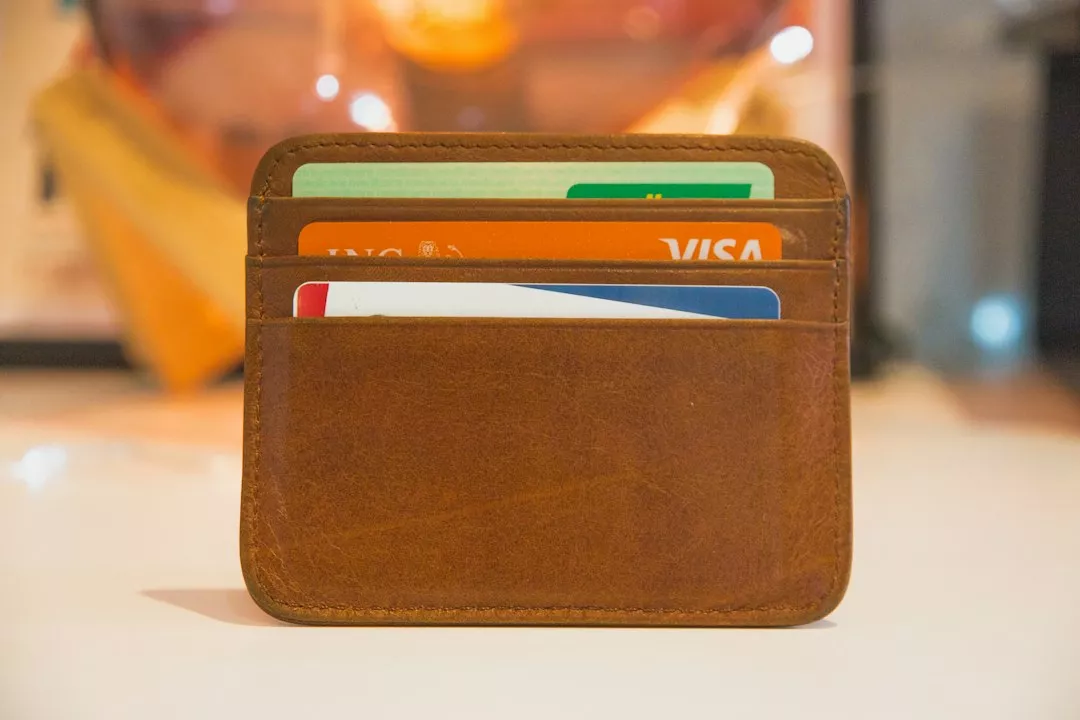
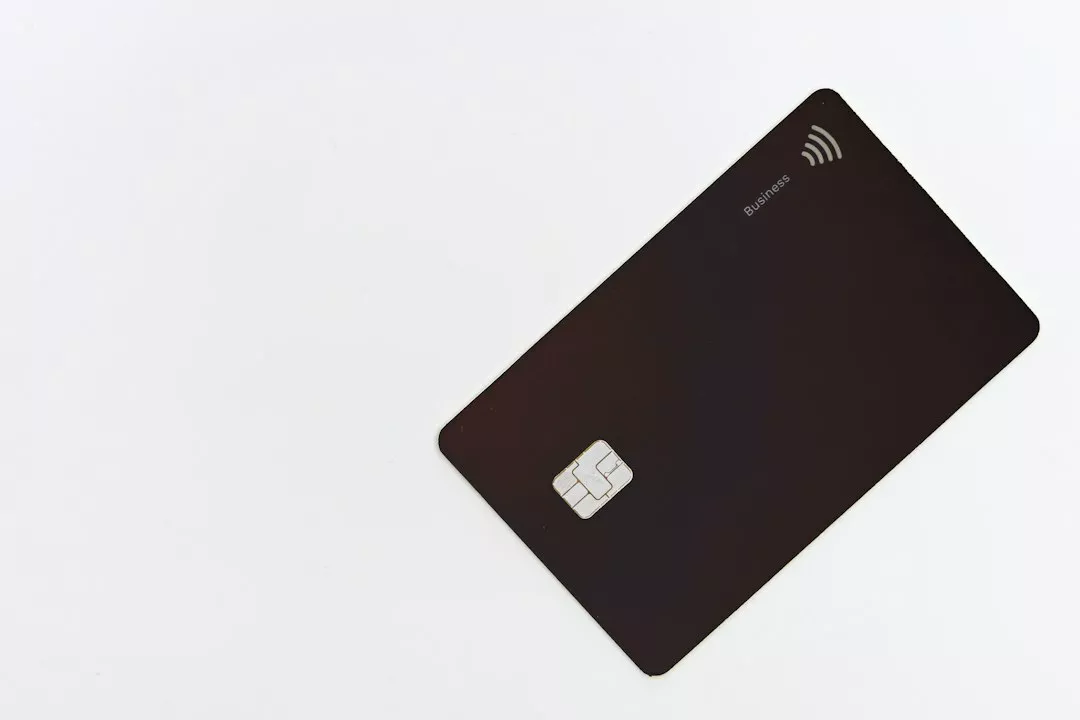
The standard Portuguese current account is called a conta à ordem (literally, a demand account). It lets you deposit money, receive payments, withdraw cash, pay bills and use a debit card. Unlike a savings or term deposit, the money is available at any time. Most accounts are tied to an IBAN beginning with the country code PT, which is what employers, landlords and utility companies ask for.
Accounts can be individual or joint (conta solidária or conta conjunta). In a joint account, holders may share the same level of access, but it is worth reading the contract carefully, because responsibilities for overdrafts and charges can extend to all holders.
Who Regulates Banking in Portugal?
Banks operating in Portugal are supervised by the Banco de Portugal, the country's central bank. It publishes consumer guidance, operates a complaints channel and maintains the Portal do Cliente Bancário, a public website where customers can compare account conditions across institutions. Before choosing a bank, this portal is one of the most useful neutral resources available, because it presents standardised information on charges and services.
Deposits in banks authorised in Portugal are generally covered by a deposit guarantee scheme up to a legal ceiling. The exact limit and conditions are set by the authorities, so check the current rules directly with the Banco de Portugal or your bank rather than relying on memory or old articles.
The Main Banks and Types of Provider
Portugal has a mix of large retail banks, smaller institutions and digital-first options. Well-known names include Caixa Geral de Depósitos, Millennium bcp, Santander, Novo Banco, BPI and Montepio. There are also digital propositions such as ActivoBank, which is aimed at customers who prefer to manage everything through an app and website.
Traditional banks usually offer extensive branch networks, which can be valuable if you want in-person help with documents or property-related matters. Digital banks tend to emphasise lower complexity and app-based service, but may offer fewer physical touchpoints. Neither model is automatically better; it depends on how you prefer to bank.
Multibanco and MB WAY: The Local Payment Backbone
Two systems define everyday payments in Portugal, and understanding them helps you judge what an account must support.
Multibanco
Multibanco is the national ATM and payment network, operated by SIBS. It allows cash withdrawals, bill payments, mobile top-ups and the generation of references (entity and reference numbers) used to pay invoices, taxes and online purchases. If you receive a bill with an entity number and a reference, you can pay it at an ATM, through your bank's app or on its website.
MB WAY
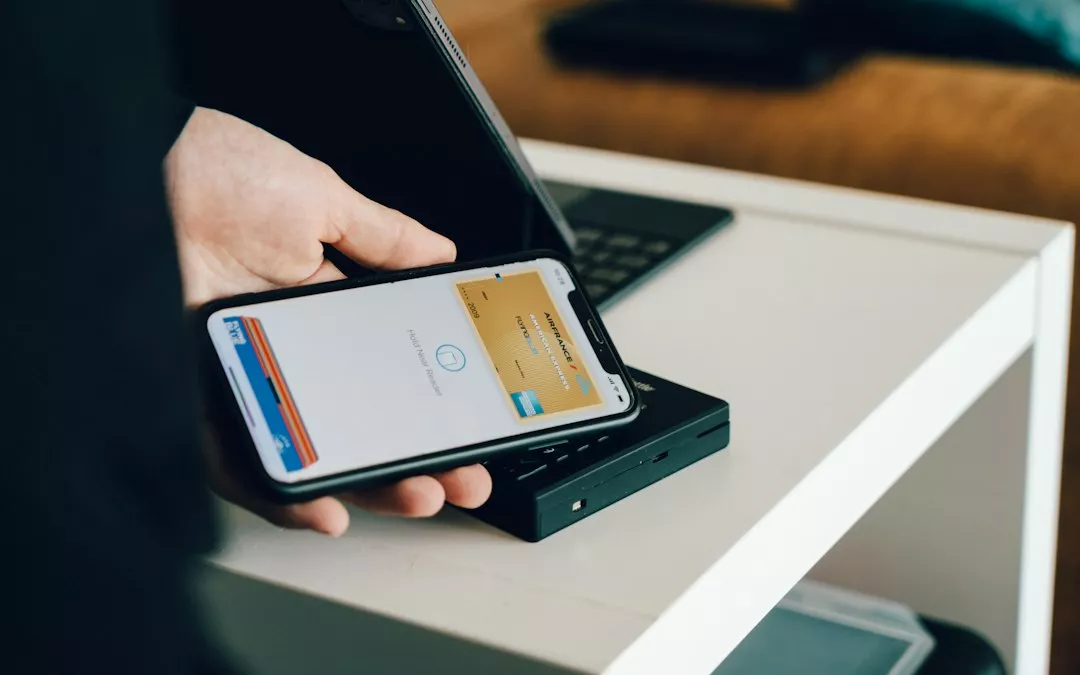
MB WAY is the widely used mobile payment and transfer service linked to your phone number. It lets you send money to friends, split costs, pay online and in some shops, and even withdraw cash without a physical card at compatible ATMs. To use it, you register through your bank's app or the MB WAY app and link it to your account. Always check whether your bank applies charges or limits to MB WAY operations, as these can differ between institutions and may change.
Understanding Fees and Charges
Most current accounts involve some combination of costs. Rather than quoting figures that go out of date, here are the categories to ask about and compare:
- Account maintenance fee (comissão de manutenção): a periodic charge for keeping the account open. Some banks waive it if you meet conditions such as receiving a salary there or holding certain products.
- Card annual fees: debit and credit cards often carry their own charges, separate from the account.
- Transfer charges: domestic, SEPA and international transfers may be treated differently, and instant transfers can have their own conditions.
- Cash withdrawal charges: especially relevant if you use ATMs outside the Multibanco network or abroad.
- Overdraft and penalty interest: going below zero without arrangement can be costly.
- Stamp duty (imposto do selo): some charges and credit-related items attract tax, so read the full price list.
Every bank must publish a folheto de comissões e despesas (a leaflet of fees and expenses). Ask for it, read it before signing, and confirm the current values directly with the bank.
Bundled Accounts and Conditions to Watch
Banks frequently promote packages that combine a current account, cards, insurance or savings products. These can look attractive, but bundles sometimes depend on conditions: salary domiciliation, a minimum number of card transactions, or holding other products. If you stop meeting the conditions, the account may revert to standard charges. Before accepting a package, ask what happens if you change jobs, move abroad or stop using a linked product.
Also be cautious about optional extras added during onboarding. You are entitled to understand what each product costs and to decline items you do not need. Approval of any extra credit product, such as an overdraft or credit card, is always the bank's decision and depends on its own assessment.
The Conta de Serviços Mínimos Bancários
Portugal has a regulated basic account known as the conta de serviços mínimos bancários. It is designed to guarantee access to essential banking services, such as deposits, withdrawals, card payments and a limited set of transfers, at a regulated cost. It is intended for people who do not already hold another account in the country, subject to eligibility rules, and certain groups may benefit from additional conditions.
Banks are required to offer this account, and the Banco de Portugal provides information on how it works. If you have difficulty opening a standard account, for example because of limited documentation or past banking issues, this option is worth asking about. Verify the current eligibility rules and charges with the Banco de Portugal or the bank itself.
Opening an Account: Documents and Practicalities
Residents typically need identification (a Cartão de Cidadão or passport), a NIF (tax identification number), and often proof of address and proof of income or employment. Non-residents and newcomers may face additional requirements, and some banks have specific onboarding processes for foreigners. Requirements vary, so contact the bank in advance and ask for the full document list.
Some institutions allow remote or app-based account opening, while others prefer in-branch verification. Anti-money-laundering rules mean banks must verify identity and the origin of funds, and they may ask follow-up questions even after opening. This is normal and not a sign of a problem.
How to Compare Accounts Sensibly
Use a short checklist when comparing options:
- List how you actually use money: salary in, rent out, card spending, MB WAY transfers, occasional international payments.
- Compare total cost of the account and cards, not only the headline maintenance fee.
- Check which conditions waive charges and whether you realistically meet them.
- Test the app and online banking if possible, since you will use them daily.
- Consider branch access, customer support languages and opening hours.
- Use the Banco de Portugal's comparison tools for neutral, standardised information.
Protecting Your Account and Your Rights
Fraud such as phishing messages pretending to be from your bank is a recurring risk. Banks do not ask for full passwords or card PINs by message, email or phone. Use strong authentication, keep your app updated and report suspicious activity immediately. If you have a dispute you cannot resolve with your bank, you can use the formal complaints process and the Banco de Portugal's complaint channel.
Connecting Your Account to the Rest of Your Finances
A current account works best as part of a wider plan. Once your everyday banking is sorted, you may want to think about how you handle borrowing and saving. Our guide to how credit cards work in Portugal explains revolving credit and what to review before applying, while the article on building an emergency fund in Portugal covers where to keep a safety buffer. If you also want to understand wider personal finance habits in the region, the piece on current accounts in Czechia shows how another market approaches similar questions, though conditions in each country differ.
Final Thoughts
A Portuguese conta à ordem is more than a place to hold money; it is the gateway to Multibanco, MB WAY, bill payments and your salary. The best account is the one whose fees, features and service style match how you really live, not the one with the loudest promotion. Compare the official fee leaflets, check conditions that waive charges, use neutral tools from the Banco de Portugal and always confirm current values with the bank before committing. Every financial product carries conditions and risks, and any credit element remains subject to the bank's own decision, so read the contract carefully and ask questions until you are comfortable.
Jack Holloway