How Bank Accounts and Payments Work in Poland: Konto Osobiste, BLIK and Choosing the Right Bank
Learn how a konto osobiste works in Poland, how BLIK and Express Elixir payments operate, and what to check before choosing a bank. A practical guide.
Poland has one of the most advanced retail banking environments in Europe. Opening an account is largely digital, instant payments are everyday practice, and mobile payment tools such as BLIK have become part of how people shop, split bills and withdraw cash. For newcomers and long-time residents alike, though, the choice of a personal account still involves real decisions about fees, conditions and features. This guide explains how the Polish personal account (konto osobiste) works, how common payment methods fit around it, and what to verify before you pick a provider.
What Is a Konto Osobiste?
A konto osobiste is the standard personal current account offered by Polish banks. It is the hub for your salary, direct debits, card payments and transfers. In practice, most accounts are held in Polish zloty (PLN), although many banks also let you open additional foreign-currency sub-accounts or exchange currency inside their apps.
Most banks bundle several things with the account: a debit card (usually contactless), access to online and mobile banking, the ability to send standard and instant transfers, and access to BLIK. Some offer add-ons such as savings sub-accounts, virtual cards or budgeting tools.
Who Offers Personal Accounts?
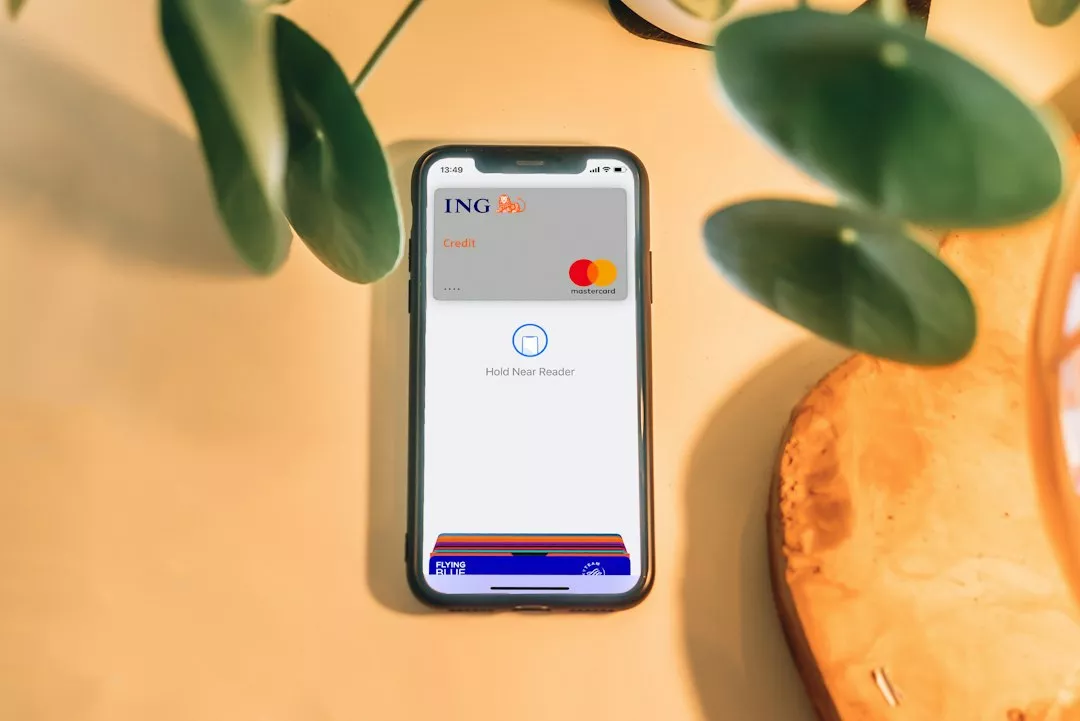
The market includes large universal banks such as PKO Bank Polski, Pekao, Santander Bank Polska, ING Bank Śląski, mBank and Bank Millennium, as well as other providers including Credit Agricole and Alior Bank. Some are branch-heavy and traditional, while others, such as mBank and ING, have long positioned themselves around digital-first service. Each bank sets its own conditions, so it is worth comparing products directly rather than assuming they are alike.
Fees and Conditions: What to Look For
Many Polish accounts are advertised as free, but the word often comes with conditions. A common arrangement is that the monthly account fee is waived if you meet certain requirements, such as receiving a regular income into the account, making a minimum number of card transactions each month, or logging in to digital banking. If you do not meet the conditions, a fee can apply.
Before opening an account, check the bank's current Tabela Opłat i Prowizji (table of fees and commissions) on its official website. Pay attention to:
- Account maintenance: whether it is free unconditionally or only when you meet activity requirements.
- Debit card fees: whether the card is included, and whether replacement or additional cards cost extra.
- ATM withdrawals: terms for the bank's own machines, partner networks and other operators, plus any charges abroad.
- Transfers: whether standard, instant and foreign transfers are included or charged.
- Foreign card payments: currency conversion terms and any markup applied.
- Overdraft and notifications: costs for overdraft facilities and for SMS or similar alerts.
Always confirm the current figures directly with the bank, since these terms change and promotional offers are time-limited.
How Transfers Work: Elixir, Express Elixir and BLIK
Poland's payment infrastructure makes moving money quick. Understanding the main options helps you choose the right one for each situation.
Standard and Instant Transfers
Standard domestic transfers are processed through clearing sessions, which means timing can depend on when you submit the payment and the bank's cut-off times. For urgent payments, Express Elixir provides instant domestic transfers, typically available around the clock. Banks differ on whether instant transfers are free or charged, so check your fee table before relying on them for routine use.
What Is BLIK?
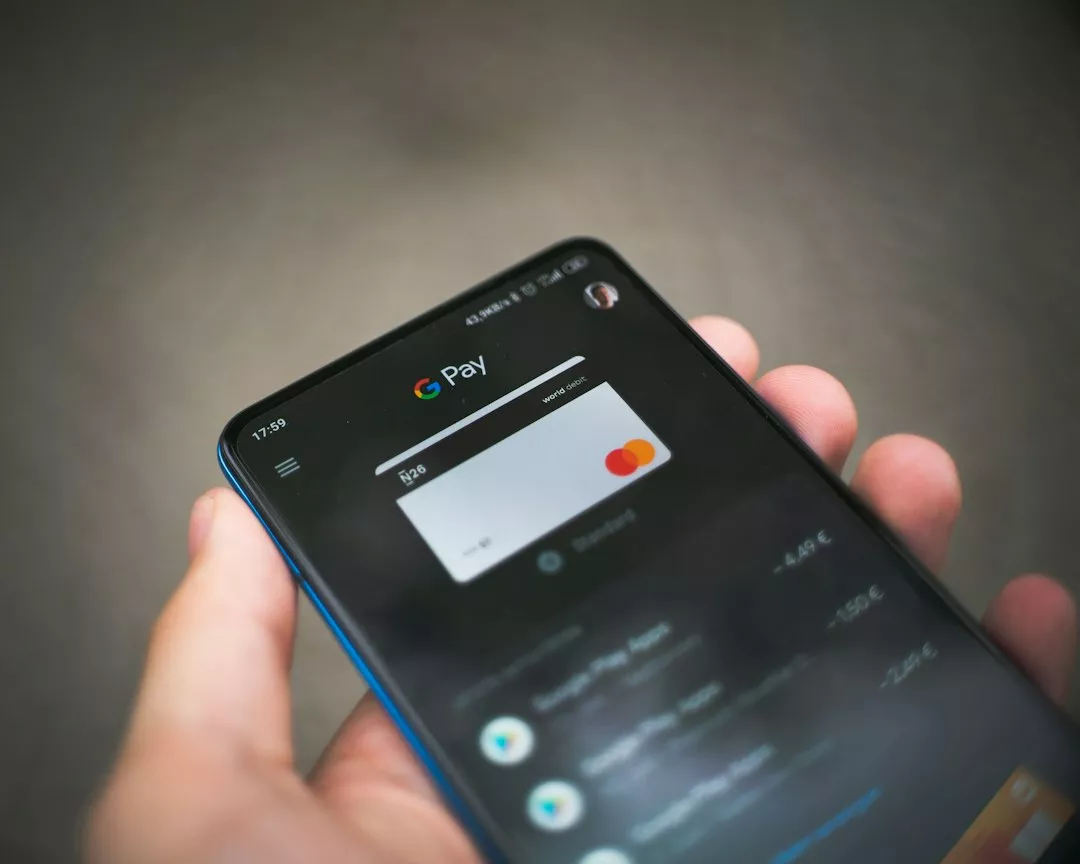
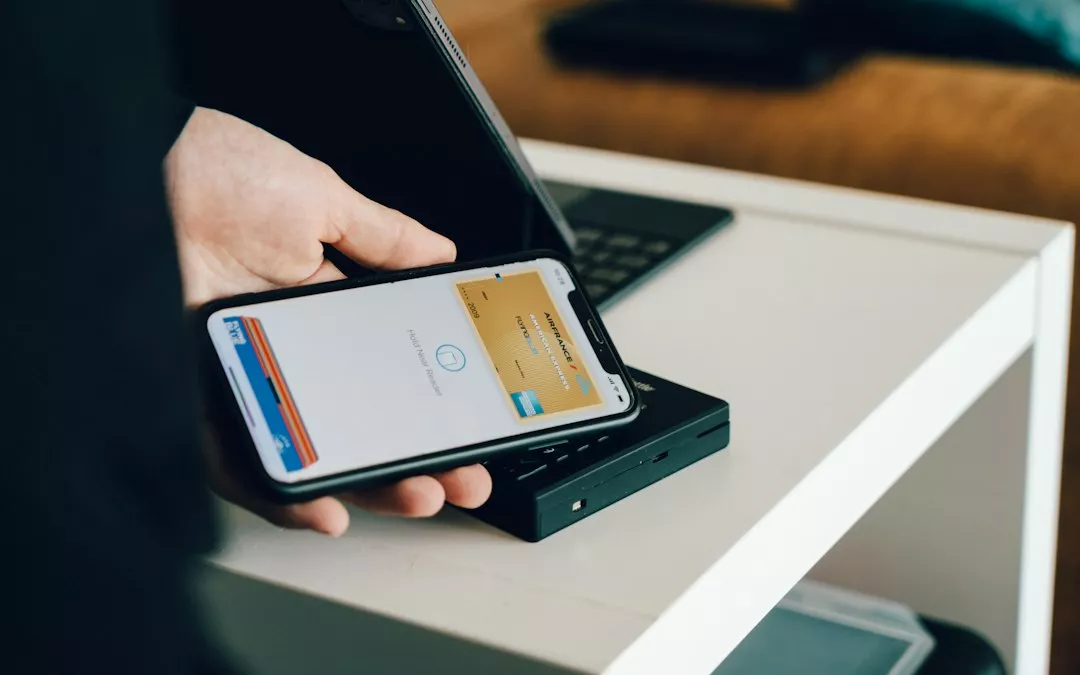
BLIK is a payment system run by Polski Standard Płatności and integrated into the apps of most Polish banks. It lets you pay online with a short one-time code, withdraw cash from ATMs without a physical card, pay in shops through your phone, and send money to a contact using a phone number. Because it is built into your bank's app, it does not require a separate wallet in most cases.
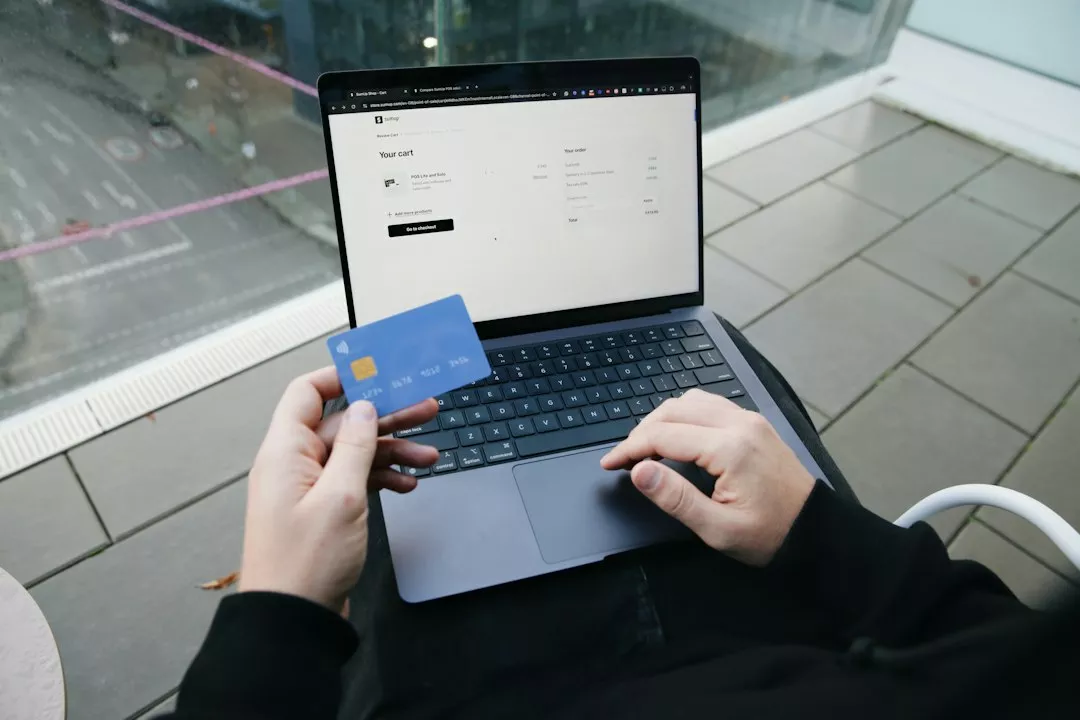
For online shopping, BLIK is popular because you do not have to type card details. You generate a code in your banking app, enter it at checkout, and confirm the payment. Limits for BLIK payments and withdrawals are set by your bank and can often be adjusted in the app, so check what applies to your account.
Direct Debits and Standing Orders
For recurring bills, Polish banks support standing orders (zlecenie stałe) and direct debit arrangements (polecenie zapłaty). A standing order sends a fixed amount on a schedule you set, while direct debit lets a company collect variable amounts, such as utility bills, under an authorization you give. Review authorizations periodically and make sure your account holds enough funds on collection dates, because failed payments can lead to charges from the bank or the biller.
Opening an Account: What You Need
Opening a konto osobiste is usually straightforward. Residents generally need a valid identity document and a PESEL number, and the process can often be completed online using identity verification methods such as a video call, a small verification transfer, or a trusted digital ID. Requirements can be different for non-residents or people without a PESEL, so ask the bank what documents it accepts in your situation.
The bank is required to run standard identity and anti-money-laundering checks. These are routine, but providing accurate information and keeping your details up to date avoids delays.
Switching Banks
If you are unhappy with your current provider, Poland has a formal account-switching framework designed to make moving easier, in which the new bank can help transfer standing orders and direct debits. Ask the new bank how its switching service works and how long the process is expected to take, so that salary and bill payments do not fall through the cracks.
Safety and Consumer Protection
Deposits in Polish banks are covered by the Bank Guarantee Fund (Bankowy Fundusz Gwarancyjny, BFG), subject to the scheme's rules and limits. Check the current coverage details on the BFG's official site rather than relying on remembered figures.
Fraud awareness matters too. Phishing messages impersonating banks, fake BLIK requests from supposed friends, and fraudulent payment links are common. Practical habits that help include:
- Never sharing BLIK codes, passwords or SMS authorization codes with anyone who contacts you.
- Checking the transaction details shown in your banking app before confirming any payment.
- Using strong, unique passwords and enabling biometric or app-based authentication.
- Reporting suspicious activity to your bank immediately through its official channels.
If you have a complaint you cannot resolve with your bank, you can escalate to the Financial Ombudsman (Rzecznik Finansowy), and the Polish Financial Supervision Authority (KNF) oversees the sector.
How to Choose the Right Account
The best account depends on how you actually use money. Consider asking yourself:
- Do I receive a regular salary? Many fee waivers depend on this, so a bank that rewards salary deposits may suit you.
- How often do I pay by card or phone? If activity conditions apply, make sure you can realistically meet them.
- Do I travel or pay in foreign currencies? Look at conversion terms and whether a multi-currency option is offered.
- Do I prefer branches or an app? Digital-first banks tend to have fewer branches, while traditional banks maintain wider physical networks.
- Do I need additional products? Savings accounts, credit cards or loans from the same bank can be convenient, but compare them independently rather than accepting a bundle by default.
Connecting Your Account to the Rest of Your Finances
A current account is the foundation for everything else you do with money. If you are thinking about borrowing, it helps to understand how lenders view your account activity and credit history, which is covered in our guide on how Polish banks assess your creditworthiness before approving a personal loan. If you are interested in how current accounts work elsewhere in the region, you can compare the concepts with our explanation of current accounts in Czechia, though the specific products and rules differ by country.
Practical Checklist Before You Open an Account
- Read the current fee table and the account terms on the bank's official website.
- Note any conditions required to keep the account free, and be honest about whether you will meet them.
- Check BLIK, instant transfer and card limits, and whether you can adjust them.
- Look at foreign payment and ATM terms if you travel.
- Confirm how deposit protection applies and where to find official information.
- Review how to contact the bank and how complaints are handled.
Final Thoughts
A Polish konto osobiste is a flexible, largely digital tool, and features like BLIK and instant transfers make everyday payments fast. The key to choosing well is to look beyond the headline promise of a free account and understand the conditions, limits and charges that apply to your own habits. Compare a few providers using their official fee tables, ask questions before you sign up, and remember that the terms, eligibility and acceptance of any application are decided by the bank itself. Every financial product carries conditions, so take the time to read them before committing.
Jack Holloway