How Credit Cards Work in Turkiye: Statements, Minimum Payments and Installment Features Explained
Learn how credit cards work in Turkiye: statement cycles, minimum payments, taksit installments, Findeks reports and what to check before applying for a card.
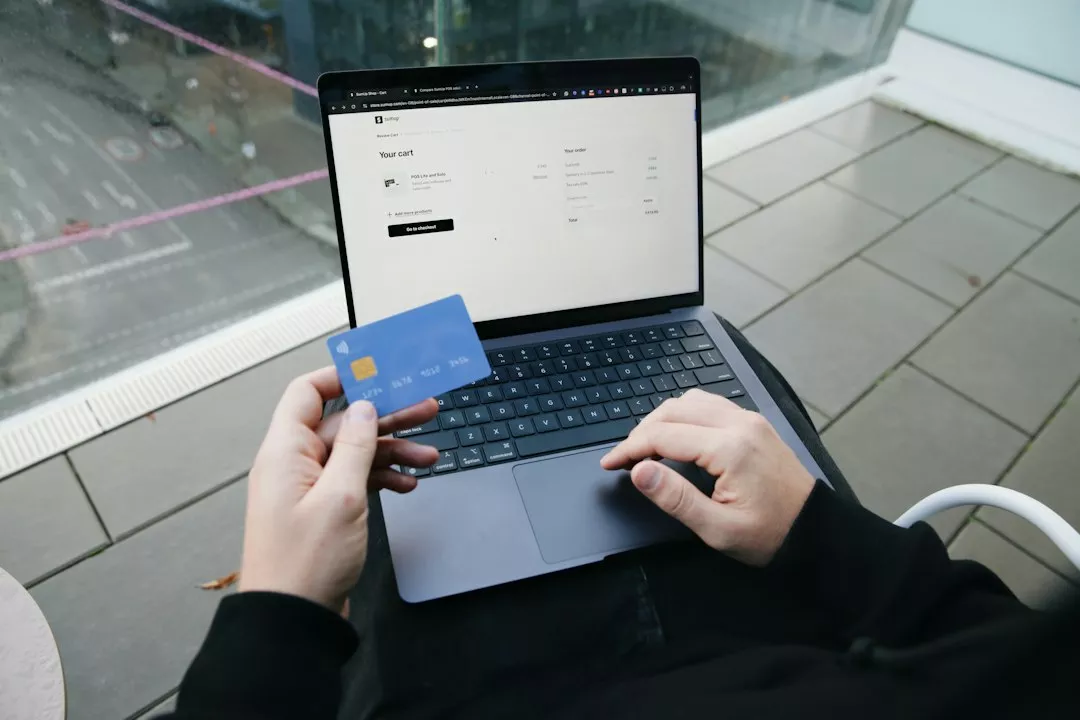
Credit cards are a central part of everyday spending in Turkiye. Many people use them not only for convenience but also to spread purchases over several months through the widely used taksit (installment) system. Because cards are so common, it helps to understand how they actually work before you sign up: how the statement cycle runs, what the minimum payment really means, how installments are structured and what lenders look at when they review an application. This guide walks through the essentials in practical terms, with no promises about approval or outcomes, since every decision rests with the issuing bank.
The Basics: How a Credit Card Works in Turkiye
A credit card gives you a revolving credit line from a bank. You spend up to your assigned limit, receive a monthly statement, and then pay back either the full amount or part of it. Anything you do not repay is carried forward and becomes subject to interest. Cards in Turkiye are typically issued on the Visa, Mastercard or Troy networks, and the major issuers include Garanti BBVA, Akbank, Yapi Kredi, Is Bankasi, Ziraat Bankasi, QNB, Denizbank and Halkbank, among others.
Many cards are tied to a bank's loyalty program, offering points such as Bonus, World, Axess or Maximum depending on the issuer. These programs can return value through points or partner discounts, but the terms, partner lists and earning conditions change regularly. Always read the current campaign conditions on the bank's official website or in its mobile app rather than relying on a summary from a third party.
Understanding the Statement Cycle
Statement date and due date
Each card has a hesap kesim tarihi (statement cut-off date), when the bank totals your spending for the period, and a son odeme tarihi (payment due date), which falls a set number of days afterward. Purchases made after the cut-off date generally appear on the next statement. This is useful to know: timing a larger purchase just after the cut-off can give you a longer interval before the payment is due, though the exact length depends on your card's terms.
Why the dates matter
Missing the due date can trigger late-payment interest and may be recorded in your credit file. Many cardholders set up automatic payment for at least the minimum, or for the full statement balance, through their bank's mobile app so that a busy week does not turn into a missed payment. Check how your bank handles payment on weekends and public holidays, as processing rules can differ.

Minimum Payment vs. Full Payment
The minimum payment is the smallest amount you must pay to keep the account in good standing. The bank calculates it as a share of your balance according to rules that depend on your limit and regulatory requirements, so the exact proportion varies. Paying only the minimum is permitted, but the unpaid remainder accrues interest, and carrying a balance month after month can make the total cost of your purchases much higher than the sticker price.
Turkish credit card interest is set by the card issuer within limits that the Central Bank of the Republic of Turkiye (TCMB) publishes and updates. Because those ceilings and the actual rates charged are adjusted from time to time, you should never assume a figure you saw in the past still applies. Ask the bank for the current interest rate, the late-payment rate and the full list of charges before you accept a card, and compare them with the information shown in the bank's own product documentation.
Habits that keep costs predictable
- Pay the full statement balance whenever your budget allows.
- If you must pay partially, pay well above the minimum to shorten the time you carry debt.
- Avoid using cash advances (nakit avans) casually, as these usually carry different and often less favorable terms than regular purchases.
- Review each statement for unfamiliar charges and report them to the bank promptly.
Taksit: How Installments Work
One of the most distinctive features of cards in Turkiye is the installment system. Many merchants allow you to split a purchase into several monthly payments, and some retailers advertise installments without extra interest when you use a particular bank's card. Installments can help you manage the timing of larger purchases such as appliances, electronics or travel, but they also commit a portion of your future statements in advance.
Things to check before choosing installments
Not every installment plan is interest-free. Some are, depending on the merchant and bank agreement; others add interest. Confirm whether the plan is truly without extra cost, how many payments it involves and what happens if you return the item. Also remember that all your installments count toward your card limit as they are scheduled, which can reduce the room you have for other spending. Keeping track of how many active installment plans you have is one of the simplest ways to avoid overcommitting.
Credit Limits and How Banks Decide
Your credit limit is set by the bank after it reviews your application. Lenders generally consider your income, employment situation, existing obligations and repayment history. In Turkiye, credit history is available through Findeks, the credit reporting service operated by the Credit Bureau (Kredi Kayit Burosu, KKB). Banks consult this record when assessing applications, and you can also request your own report to see what lenders see.
Checking your own credit file
Reviewing your Findeks report before applying is a sensible step. It lets you spot errors, outdated entries or accounts you do not recognize, and you can raise disputes through the proper channels if something looks wrong. Applying for several cards in a short period may leave multiple inquiries on your file, which lenders can view as a sign of financial pressure, so it is wise to apply selectively rather than all at once.
It is important to understand that no guide, comparison site or advertisement can guarantee that you will be approved or what limit you will receive. Each bank applies its own criteria, and approval remains the issuer's decision.
Fees and Costs to Look For
Cards in Turkiye can include several types of charges. Depending on the issuer and product, these may include annual or membership fees, cash advance fees, late-payment charges, fees for certain foreign-currency transactions and costs related to optional services. Some banks waive annual fees under conditions such as a minimum level of spending, while others do not. Because fee structures and waiver conditions change, ask for the current fee schedule and compare it directly rather than relying on older figures.
Regulatory frameworks, including consumer protection rules enforced by the Banking Regulation and Supervision Agency (BDDK) and the Ministry of Trade, set requirements on how banks must disclose terms. You are entitled to receive clear information about costs before you commit, so use that right and read the contract summary carefully.
Using Your Card Safely
Security features
Most issuers in Turkiye require additional authentication for online purchases, typically through a one-time code sent by SMS or confirmed in the bank's app (3D Secure). Many banks also let you set spending limits for online use, temporarily block the card, or turn international usage on and off from the mobile app. These controls are free to use in most cases and are a practical layer of protection if your card is lost or compromised.
If something goes wrong
If you notice a suspicious transaction, contact your bank immediately through its official customer service channel and ask to block the card. Keep records of the transaction and your communication. Do not share your card number, CVV or one-time codes with anyone who contacts you by phone, message or email, even if they claim to represent your bank.
Is a Credit Card Right for You?
A card can be a useful tool if you pay your balance reliably, value the consumer protections that come with card payments and want to use loyalty benefits sensibly. It can become costly if balances are carried for long periods or if installment commitments pile up. Before applying, ask yourself whether your monthly budget can comfortably absorb the payments, and whether a debit card or a different type of financing might suit your needs better.
If you are comparing financial products more broadly, you may find it useful to see how cards are structured elsewhere in our coverage. For a look at how a different market handles limits and credit scoring, read our guide to how credit cards work in Sweden. To understand how lenders evaluate applicants more generally, our article on how Polish banks assess creditworthiness explains the kinds of factors that commonly come into play. And if you want to build a financial cushion so that you rely less on credit for unexpected costs, see our guide to building an emergency fund.
Final Thoughts
Credit cards in Turkiye combine familiar revolving credit with distinctive local features such as taksit installments and bank-specific loyalty programs. The key to using them well is understanding the statement cycle, paying more than the minimum whenever possible, tracking your installment commitments and checking your Findeks report so there are no surprises. Always verify current rates, fees and conditions directly with the issuing bank or on its official website, because these details change and every product carries conditions and risks. Treat this guide as a starting point for your own research, not as personal financial advice.
Jack Holloway