How Credit Cards Work in Sweden: Charge Cards, Credit Limits and Your UC Score
Learn how credit cards work in Sweden: how issuers assess applicants, how UC and Creditsafe records matter, and what to compare before choosing a card.

Sweden is one of the most card-friendly societies in the world. Everyday spending is dominated by debit cards, mobile payments and Swish, yet credit cards still play a useful role for travel, online shopping, purchase protection and building a track record with lenders. Understanding how credit cards work in Sweden, how issuers judge applicants, and what to compare before you sign up can save you money and avoid unpleasant surprises. This guide walks through the practical side of choosing and using a credit card in Swedish kronor (SEK).
Debit Cards, Credit Cards and Charge Cards: Know the Difference
Most Swedes carry a debit card linked to their current account at banks such as Swedbank, Handelsbanken, SEB, Nordea or Danske Bank. A debit card takes money directly from your account. A credit card works differently: the issuer lends you money up to an agreed credit limit, and you repay it later, usually through a monthly invoice.
Credit cards with a revolving balance
With a typical credit card you receive a monthly invoice and can choose to pay in full or pay only part of the balance. If you do not pay in full, interest is charged on the outstanding amount. This flexibility is convenient, but it is also where credit cards become expensive if used carelessly.
Charge cards and interest-free periods
Some cards in Sweden function more like charge cards, where the full invoice is expected to be paid by the due date. Many issuers also advertise an interest-free period between purchase and invoice due date. The length of this period varies by product and can change, so always check the current terms with the issuer rather than relying on marketing summaries.
Cards from banks versus card companies
In Sweden you can get credit cards from traditional banks, but also from specialist card and consumer finance companies, retailers and loyalty programs. Well-known names include bank-issued Visa and Mastercard products, as well as cards tied to retailers, airlines or fuel stations. Each type comes with a different mix of benefits and conditions.
How Swedish Issuers Assess Your Application
Credit is not automatic. When you apply, the issuer is legally required to carry out a creditworthiness assessment before granting a limit. Under Swedish consumer credit rules, lenders must consider whether you can realistically repay what you borrow.
Credit information agencies
Issuers typically query a credit information company. In Sweden, the best-known are UC (Upplysningscentralen) and Creditsafe. These agencies hold records of your payment history, existing debts, enquiries and any payment remarks (betalningsanmärkningar). A clean record helps; unpaid debts registered with Kronofogden, the Swedish Enforcement Authority, can seriously complicate any application.
Income, expenses and existing commitments
Beyond your credit file, issuers look at your declared income, employment situation, housing costs, other loans and the number of dependents. A stable income and low existing debt burden generally make an application easier to assess favorably, but approval is always the issuer's own decision and is never guaranteed.
Credit enquiries and your file
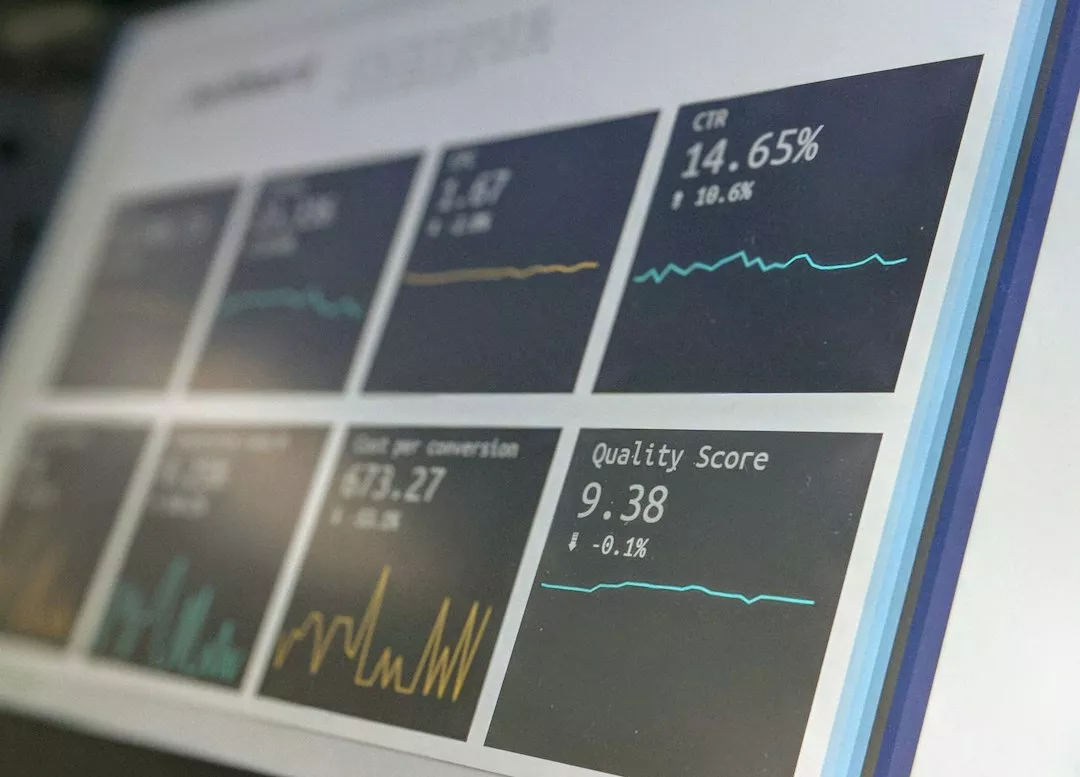
Every time a lender checks your credit, it leaves a trace in your file that other lenders can see. Applying for many cards or loans in a short period may look like financial stress. It is wise to apply selectively rather than shopping around with multiple formal applications. Many issuers offer eligibility indications or comparison tools that do not require a full application, but the details differ, so read what each check involves before you agree to it.
If you want to see how lenders evaluate applicants in a neighboring market, our guide on how Polish banks assess creditworthiness shows the general logic behind these checks, though each country has its own rules and agencies.
Your Rights as a Swedish Cardholder
Sweden has strong consumer protection, and credit cards benefit from it. A few features are worth knowing before you apply.
Right of withdrawal
Consumer credit agreements concluded at a distance, for example online, generally come with a right of withdrawal for a limited period. The exact conditions are set out in the agreement and in Swedish consumer law, so check them with the issuer or the Swedish Consumer Agency (Konsumentverket).
Purchase protection and chargebacks
Under the Consumer Credit Act, in certain circumstances a card issuer can share liability with the seller if goods or services are not delivered or are defective. This can be a real advantage over debit cards or other payment methods, but it has conditions and limits. Check how it applies to your specific purchase and keep all documentation.
Standard information before you sign
Lenders must provide standardized pre-contract information, including the effective interest rate, fees and the total cost of credit. Use this to compare products fairly. Pay particular attention to the effective interest rate, because it combines interest and recurring costs into one comparable measure.
What to Compare Before Choosing a Card
Not all cards suit all people. Rather than chasing the most attractive advertising, compare these factors against how you actually spend and repay.
Interest and fees
Look at the interest rate on unpaid balances, any annual or monthly fee, invoice fees, foreign currency conversion costs and cash withdrawal charges. These all change over time, so confirm current values directly with the issuer before applying.
Rewards, bonus points and cashback
Some cards offer bonus points, cashback or travel perks. These can be worthwhile if you pay the invoice in full every month. If you carry a balance, interest will usually outweigh any reward, so be honest about your repayment habits.
Travel insurance and purchase cover
Premium cards often bundle travel insurance, cancellation cover or extended warranties. Read the insurance terms carefully: coverage conditions, exclusions and who is eligible vary, and you may already have similar cover through your home insurance or a union membership.
Contactless limits and mobile wallets
Most Swedish cards support Apple Pay, Google Pay and contactless payments. Confirm that your chosen card works with the wallet you prefer, and that security features such as BankID confirmation are available for online purchases.
Using a Credit Card Responsibly
A credit card is a tool, not extra income. The habits that keep it useful are simple but easy to neglect.
Pay the invoice in full when you can
Paying the full invoice by the due date avoids interest in most cases. Setting up an autogiro (direct debit) for the full amount is one of the easiest ways to avoid missing a payment, provided you keep enough money in your account.
Watch your total debt burden
Multiple cards and credit lines can add up quickly. Review your total commitments regularly and avoid using credit to cover everyday expenses you could not otherwise afford. If you find yourself relying on credit month after month, consider talking to your bank or to the municipal budget and debt counselling service (budget- och skuldrådgivning), which is available free of charge in many municipalities.
Protect yourself from fraud
Never share your card details or BankID credentials. Report lost or stolen cards immediately using the issuer's emergency line. Check statements regularly, and contact the issuer quickly about any transaction you do not recognize, since reporting deadlines apply.
Monitor your own credit file
In Sweden you are entitled to receive information about the data held on you by credit information companies. Checking your own record helps you spot errors, outdated entries or signs of identity misuse. If you find a mistake, request a correction from the agency and, where relevant, from the creditor.
If you are weighing up whether to hold credit at all versus building savings, you may find it useful to read about long-term options such as how a Danish share savings account works for a sense of how other Nordic markets structure their savings products, though always remember that rules differ from country to country.
Who Is a Credit Card Right For?
A credit card in Sweden can suit people who travel frequently, shop online and value purchase protection, and who are disciplined about paying invoices on time. It may be less suitable if you tend to overspend, already carry significant debt, or are tempted by revolving credit. For many people a debit card and a small buffer in savings are all they need.
Whichever route you choose, remember that every credit product carries costs and risks, that approval depends on the issuer's own assessment, and that terms can change. Read the pre-contract information carefully, compare the effective interest rate across providers, and confirm all current fees and conditions directly with the bank or card company before applying. Taking a few extra minutes at the start can make the difference between a card that helps you and one that quietly costs you.
Jack Holloway