
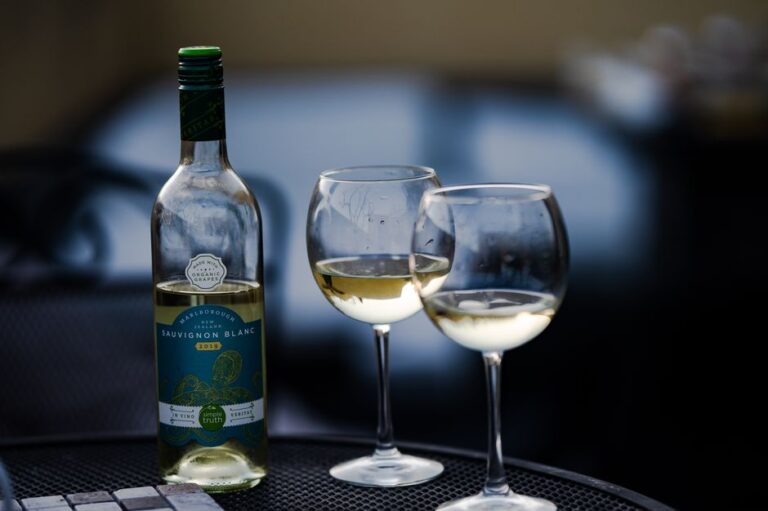
Key takeaways
- Match acidity and body weight to fish type: high acidity for oily fish, lighter body for delicate preparations, fuller body for rich sauces.
- Sauvignon Blanc, Albariño, and Muscadet work best with oysters and clams; Chardonnay suits richer fish and cream preparations.
- Reliable seafood pairings range from $10–15 everyday bottles to $50 and above luxury options; serve white wine at 45–52 degrees Fahrenheit within one to three years of vintage.
- Dry Riesling and off-dry varieties pair exceptionally with spiced and Asian seafood dishes where bone-dry wines would taste thin.
White wine and seafood rank among the most reliable pairings in food and wine culture, but the pairing works best when you understand what each wine brings to the table. Acidity cuts through richness, delicate aromatics echo the fish, and lower alcohol content will not overpower subtle flavors. This guide walks through the principles, the wines that work, and how to match them to specific fish and shellfish preparations.
Why White Wine Works Better for Seafood Than Red
Red wine tannins clash with fish proteins in a way that produces a metallic, bitter aftertaste. This reaction occurs between iron in the wine and sulfur compounds in seafood. White wines lack tannins and instead rely on acidity and mineral notes that complement rather than fight the fish. The coolness and crispness of white wine also harmonizes with cold and delicate preparations like ceviche, smoked salmon, and raw oysters. This does not mean all reds fail with all fish; fuller-bodied whites can pair with bolder fish, and some light, low-tannin reds work with salmon or tuna. But for a rule that holds across most occasions, white wine is the safer and more satisfying choice.
Acidity and Body: The Two Rules That Matter Most
Two factors predict whether a white wine will work with your seafood: acidity and body weight.
High-acidity wines like Sauvignon Blanc, Vermentino, and Muscadet cut through oily fish and buttery sauces without clashing. A wine’s acidity appears on the label as titratable acidity (TA), usually between 0.5 and 0.9 percent, though tasting notes will describe it more simply as crisp, bright, or tart. Lower-acid wines like Chardonnay or Sémillon pair better with delicate, white-fleshed fish prepared simply or with cream sauces. Medium acidity wines such as Albariño or Grüner Veltliner work across a broader range of fish dishes.
Body weight refers to how full or light a wine feels on the palate. A light-bodied wine like Chablis (unoaked Chardonnay from France) will not overwhelm delicate sole or flounder. A fuller-bodied wine like barrel-aged Chardonnay from California stands up to swordfish or halibut prepared with richness. Alcohol content (ABV) signals body: wines below 12.5% ABV tend toward lightness, while 13.5% and above feel heavier. Match light fish to light wines and rich fish to fuller wines to avoid the common mistake of drinking an explosive California Chardonnay with a delicate piece of sole.
White Wine Styles by Seafood Type
Oysters and Clams
Raw oysters call for wines with high acidity and saline or mineral notes that echo the brine of the shell. Muscadet, a dry white from the Loire Valley in France made from the Melon de Bourgogne grape, costs around $12–18 and pairs perfectly. The wine’s crisp acidity and oyster-shell mineral notes make the pairing seem inevitable. Chablis, the northernmost white Burgundy, comes from Chardonnay grapes grown without oak, delivering a flinty, mineral profile that complements oysters at the same price range. Albariño from Spain’s Rías Baixas region brings higher acidity and green apple notes, typically $14–22 per bottle. A raw clam with vinegar and hot sauce needs that same acidity but can handle a touch more body, so Vermentino from Sardinia or the Italian mainland works well at $13–20. For oysters with a light cream sauce or mignonette, Sancerre (Sauvignon Blanc from France’s Loire Valley) adds herbal and citrus notes that do not compete.
Grilled Fish
Grilling imparts char and smokiness that shifts the pairing toward medium-bodied whites. Grilled branzino, sea bass, or halibut pair well with barrel-fermented Sauvignon Blanc, less common than the stainless-steel versions but available in Sancerre at higher price points around $25–35, or California Sauvignon Blancs at $16–28. The oak adds richness without overwhelming the fish, and the wine’s acidity cuts through any charred crust. Grilled swordfish or tuna, meatier and fattier than white fish, benefit from fuller-bodied Chardonnay, particularly unoaked or lightly oaked versions from Burgundy around $20–40 or California’s cooler regions like Sonoma Coast at $18–32. Albariño also works here because its acidity and body sit in the middle ground.
Fatty Fish
Salmon, mackerel, and sardines contain oils that need high acidity to cut through without the wine tasting thin. Sancerre and other Loire Sauvignon Blancs excel here. Grüner Veltliner from Austria, typically $12–20, brings peppery notes and bright acidity that complement salmon’s richness. For smoked salmon or mackerel, Muscadet or a lean Vermentino prevents the pairing from feeling heavy. Riesling works if the preparation is not too heavy. A dry or off-dry Alsatian Riesling ($15–25) or German Kabinett Riesling ($12–18) pairs well with glazed or teriyaki salmon because the wine’s slight residual sugar balances heat and richness. Avoid oaked Chardonnay with fatty fish unless the dish includes a rich sauce; the wine becomes clumsy.
Shellfish Pasta
Pasta dishes with clams, mussels, or shrimp in white wine or butter sauces need wines that will not compete with the cream or fat. Chardonnay, whether French Burgundy or California, handles these dishes well because the wine’s body matches the sauce’s weight. Sémillon, less common in the US than Sauvignon Blanc but grown in Bordeaux and the Pacific Northwest, brings subtle peach and honey notes that complement shellfish without fighting the sauce, typically $14–22. Vermentino or Albariño work if the dish leans toward garlic and white wine reduction rather than cream.
Specific Grape Varietals and Their Best Fish Matches
Sauvignon Blanc and Sancerre
Sauvignon Blanc ranges from herbaceous and grassy (common in Sancerre and other Loire regions) to tropical and fruity (California). Loire Sauvignon Blancs cost $15–28 and bring green apple, white peach, and mineral notes ideal for oysters, clams, and grilled white fish. California Sauvignon Blancs tend toward grapefruit and passion fruit, typically $14–24, and work well with ceviche or crudo. Sancerre, a specific Loire appellation made entirely from Sauvignon Blanc, commands higher prices at $22–40 because of the region’s terroir reputation, but the wine’s combination of acidity and minerality justifies the premium.
Albariño and Vermentino
Albariño comes from northwest Spain and Portugal, traditionally from Rías Baixas and similar coastal regions. The grape produces wines with salinity and green-apple acidity, $14–26, that pair exceptionally with shellfish and grilled white fish. Vermentino, grown on the Italian islands of Sardinia and Corsica, delivers similar mineral notes with slightly softer acidity, $12–22. Both wines work across a range of preparations because they occupy the middle ground between the sharpness of Muscadet and the richness of oak-aged Chardonnay.
Chardonnay (Oak and Unoaked)
Chardonnay’s versatility comes from oak aging decisions. Chablis and other French Chardonnays aged in stainless steel or neutral oak bring mineral notes and crisp acidity, $18–35, ideal for delicate white fish and cold preparations. California Chardonnays, often aged in new or newer oak, develop butter and vanilla notes that suit richer fish like halibut and swordfish, especially when paired with cream sauces, typically $18–45. Burgundian whites from the Côte de Beaune, including Puligny-Montrachet and Meursault, represent the top tier, where oak aging and terroir create wines that pair with luxury fish preparations at $35–80.
Riesling
Riesling’s residual sugar and acidity make it unique in pairing with spiced or sweet fish preparations. A dry Alsatian Riesling ($15–28) works with teriyaki-glazed salmon or Asian seafood dishes. German Rieslings with slight sweetness, categorized as Kabinett at $12–20, pair with Southeast Asian fish curries. Avoid the misconception that Riesling is too sweet for seafood; dry versions are as crisp as Sauvignon Blanc, and off-dry versions balance heat and richness in ways bone-dry wines cannot.
Price Points and Everyday Bottles
Budget-conscious drinkers can find reliable seafood pairings under $15. Muscadet at $10–15, Spanish whites at $12–16, and everyday Sauvignon Blancs at $12–18 all deliver quality. A standard bottle costs $15–25 and covers most occasions. Sancerre, Albariño, or California Chardonnay all perform well at this price point. Premium bottles at $25–50 include Burgundian Chardonnays and top Sancerre, worth the investment for special meals. Ultra-premium Puligny-Montrachet or Meursault at $50 and above suits once-a-year occasions with expensive fish.
Storage and Serving Temperatures
White wine deteriorates faster than red because it lacks tannin’s preservative effect. Most white wines meant for pairing with seafood are designed to drink within one to three years of vintage; check the producer’s recommendations if available. Store upright at 45–50 degrees Fahrenheit in a cool, dark space. Serve most white wines at 45–52 degrees, cooler than room temperature but not ice-cold, which mutes flavor. Pour just before drinking to preserve carbonation and aromatic volatility. A bottle that sits open more than three days in the refrigerator begins to oxidize; finish it or use it for cooking.
Frequently Asked Questions
Why does white wine pair better with seafood than red wine?
Red wine tannins create a metallic, bitter aftertaste when combined with fish proteins, while white wine's acidity and mineral notes complement seafood. High acidity also cuts through buttery or oily preparations without clashing.
What white wine varieties work best with fatty fish like salmon and mackerel?
High-acidity wines including Sauvignon Blanc, Muscadet, and Grüner Veltliner cut through richness without tasting thin. Dry or off-dry Riesling also works well, especially with glazed or Asian-prepared fatty fish.
How long will an open bottle of white wine pairing keep in the refrigerator?
Most white wines designed for seafood should be finished within three days of opening when stored in the refrigerator. White wine lacks the tannin preservation found in red wine, so it deteriorates faster once exposed to oxygen.
