How Credit Cards Work in Portugal: Cartão de Crédito, Revolving Credit and What to Check Before You Apply
Learn how credit cards work in Portugal: cartão de crédito types, revolving credit, MB Way, Banco de Portugal rules and what to check before you apply.
Credit cards are a familiar part of everyday finance in Portugal, but the way they are offered, priced and repaid can surprise people who are new to the system. Many cards are sold directly through bank branches and apps by institutions such as Caixa Geral de Depósitos, Millennium bcp, Santander, Novo Banco and BPI, while others are issued by specialist consumer credit companies. This guide explains the main card types, how repayment works, which rules protect cardholders and what to check before you sign anything.
The Main Types of Cards in Portugal
Not every plastic card in your wallet is a true credit card. In Portugal, the Multibanco network (SIBS) means most people already hold a debit card that works at ATMs, shops and online. A credit card, by contrast, lets you borrow money from the issuer up to an agreed limit. It helps to understand the differences before you apply.
Debit Cards
A cartão de débito takes money directly from your current account. There is no borrowing involved, which makes it the simplest option for day-to-day spending. Many people use a debit card for most purchases and add a credit card only for specific needs, such as travel bookings or online shopping protection.
Credit Cards (Cartão de Crédito)
With a cartão de crédito, you spend against a credit limit set by the bank. At the end of the statement period, you can usually choose how to repay. Some cards offer a grace period in which paying the full balance avoids interest, but the exact terms differ from one product to another, so always read the pre-contractual information sheet.
Revolving Credit Cards
Many Portuguese cards operate on a revolving basis. This means you can pay only part of the balance each month and carry the remainder forward. The rest accrues interest, and the cost of this flexibility can be high compared with other forms of borrowing. Revolving mode is often a selectable option rather than the default, so check how your card is configured and whether you can switch between full-payment and partial-payment modes.
Prepaid and Virtual Cards
Some banks and fintech providers offer prepaid or virtual cards that you top up in advance. These are not credit products, but they can be useful for controlling online spending or limiting exposure to fraud. They do not usually build a credit history in the same way as a regular credit card.
How Monthly Statements and Repayments Work
Each card has a billing cycle, and at the end of it the issuer produces a statement showing your purchases, any fees, interest charges and the amount due. You then have until a specified payment date to settle the balance. Many Portuguese banks let you set up a direct debit (débito direto) so the payment is collected automatically from your current account.
When reading your statement, look for these items:
- The credit limit and your available balance.
- The statement closing date and the payment due date.
- The repayment mode, such as full balance or a chosen portion.
- Interest charged on carried balances, and the stated annual rate.
- Any annual card fee, cash advance fee or foreign transaction fee.
Do not rely on memory for the current numbers. Fees, rates and limits change, so check them directly with the issuer and in the latest version of the bank's published price list (folheto de comissões e despesas).
Understanding the Cost of Borrowing
The cost of a credit card is expressed through the annual percentage rate of charge, known in Portuguese as the TAEG (Taxa Anual de Encargos Efetiva Global). This figure is designed to include interest and certain mandatory charges, giving you a more complete picture than the nominal interest rate (TAN) alone. When comparing cards, look at both, but give particular attention to the TAEG.
Be aware of other possible costs as well. Cash withdrawals with a credit card often carry an extra fee and may begin accruing interest immediately, without any grace period. Foreign currency transactions may also include a conversion charge. Late payment can trigger penalty interest and fees, and it may be recorded in credit records, which affects your future borrowing options.

The Rules Protecting Cardholders
Consumer credit in Portugal is regulated, and the supervisor responsible for banking conduct is the Banco de Portugal. Lenders are required to provide clear pre-contractual information so that you can compare offers, and they must assess whether you can reasonably afford the credit being offered. These duties come from national consumer credit law that implements European rules.
Some practical points worth knowing:
- Pre-contractual information: You should receive a standardised information sheet before signing. Read it carefully, especially the sections on costs and repayment.
- Right of withdrawal: For many consumer credit contracts you have a period in which you can withdraw without giving a reason. Ask the issuer for the exact conditions and deadline that apply to your contract.
- Credit assessment: The issuer decides whether to approve you. Approval is never guaranteed and depends on your income, existing commitments and credit history.
- Complaints: If you have a dispute, you can first complain to the bank, and then escalate to the Banco de Portugal's complaints channel or an alternative dispute resolution body.
Credit Records and Why They Matter
Banco de Portugal maintains the Central de Responsabilidades de Crédito, a register of credit commitments held by individuals and companies. Lenders consult it when assessing applications, so the way you handle a card can influence how future lenders view you. You have the right to request your own report from the Banco de Portugal, which is a good habit before applying for any significant credit product.
If you are also considering how credit fits into your wider financial life, you may find it helpful to read our guide to how banks assess creditworthiness before approving a personal loan, which explains the general logic lenders use when they evaluate affordability, even though that guide focuses on a different market.
Choosing a Card: Questions to Ask
Before applying, think about what you actually need the card for. A card that suits a frequent traveller may not suit someone who simply wants a safety net for emergencies. Consider these questions:
- Will I pay the balance in full each month, or might I carry a balance?
- Does the card have an annual fee, and is it waived under certain conditions?
- What are the foreign transaction and cash advance terms?
- Does the card include insurance, purchase protection or rewards, and what are the conditions attached?
- Can I manage the card easily in the bank's app, including freezing it and setting spending alerts?
Rewards and cashback schemes can look appealing, but they usually come with conditions, spending thresholds or fees that offset the benefit. Always treat rewards as a bonus, never as the main reason to borrow.
Everyday Tools: MB Way, Contactless and Online Safety
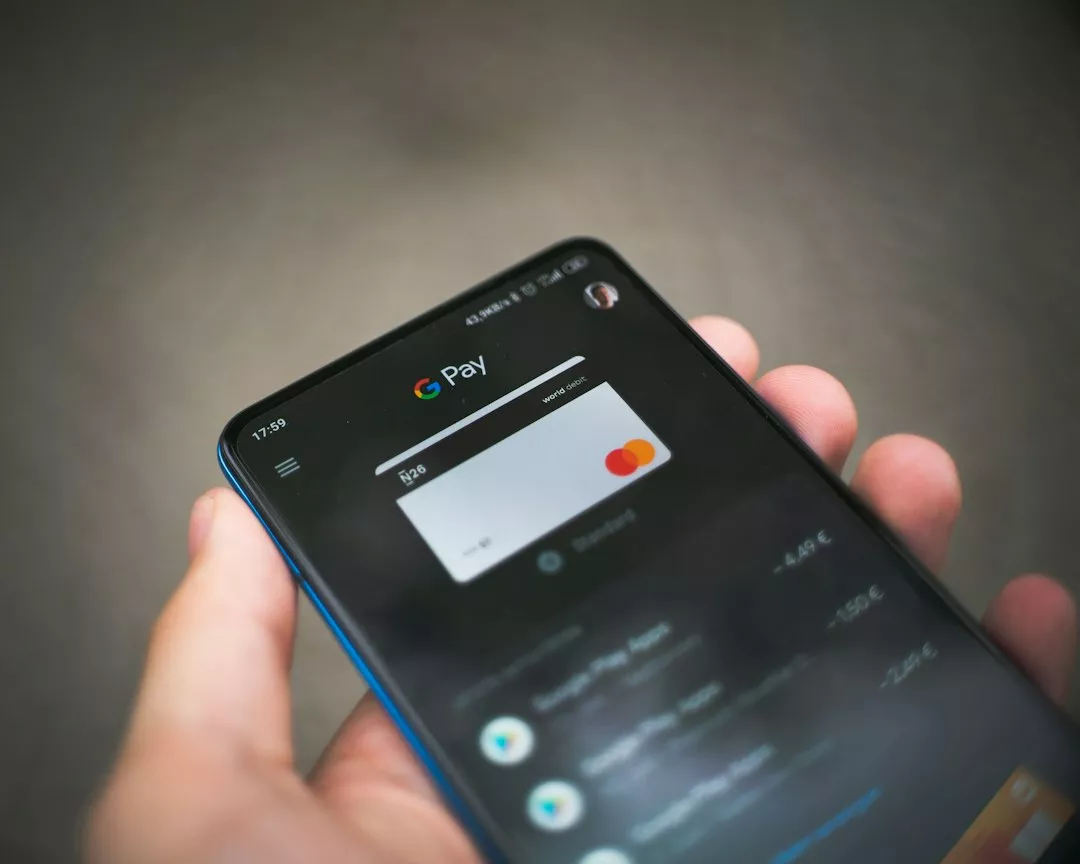
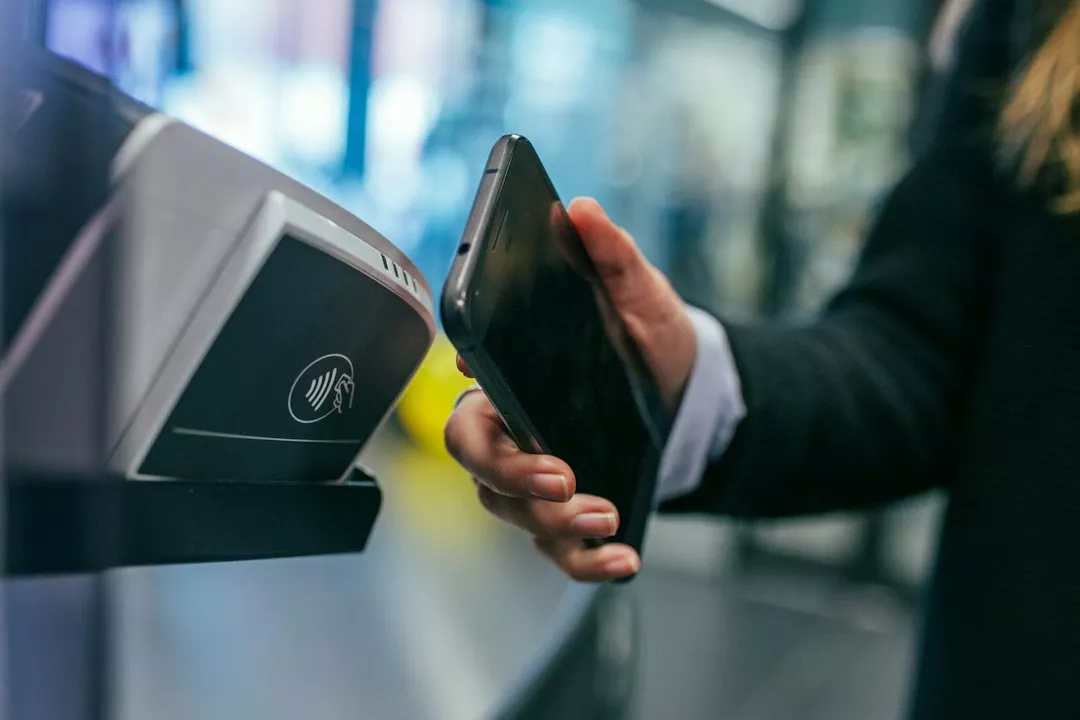
Portugal has a strong digital payments culture. MB Way, linked to Multibanco, is widely used for transfers and purchases, and cards can be added to mobile wallets for contactless payment. Whichever method you use, take sensible precautions: enable two-factor authentication, set spending notifications and never share one-time codes. If you suspect fraud, contact your bank immediately to block the card, and review the bank's procedure for disputed transactions.
Keeping Card Use Under Control
A credit card is a tool, not extra income. The healthiest approach is to treat it like a debit card: only spend what you can repay from your regular budget. If you want to build a structure around this habit, our guide to building an emergency fund in Portugal shows how a cash buffer can reduce your reliance on credit when unexpected costs arise. And if you want a broader perspective on how card repayment mechanics work in other markets, our explainer on how credit cards work in Sweden covers charge cards and credit limits in a different regulatory setting.
If you find yourself relying on the minimum repayment month after month, it may be worth speaking with your bank about restructuring options or seeking independent guidance. Early action usually gives you more choices than waiting until payments are missed.
Final Thoughts
Credit cards in Portugal can be convenient and, used carefully, genuinely useful. But they are borrowing products with real costs and risks, and approval remains the issuer's decision. Before applying, compare the TAEG, read the information sheet, check the fee schedule and confirm the current terms directly with the provider. Understanding the difference between full-payment and revolving modes is the single most important step toward using a card wisely.
This article is for general information only and is not personalised financial advice. Always check current conditions with the card issuer or an authorised adviser before making a decision.
Jack Holloway