How Current Accounts Work in Czechia: Choosing a Bank, Understanding Fees and Using Digital Banking
Learn how current accounts work in Czechia: comparing banks, understanding fees, using instant payments and mobile apps, and protecting your money with deposit insurance.
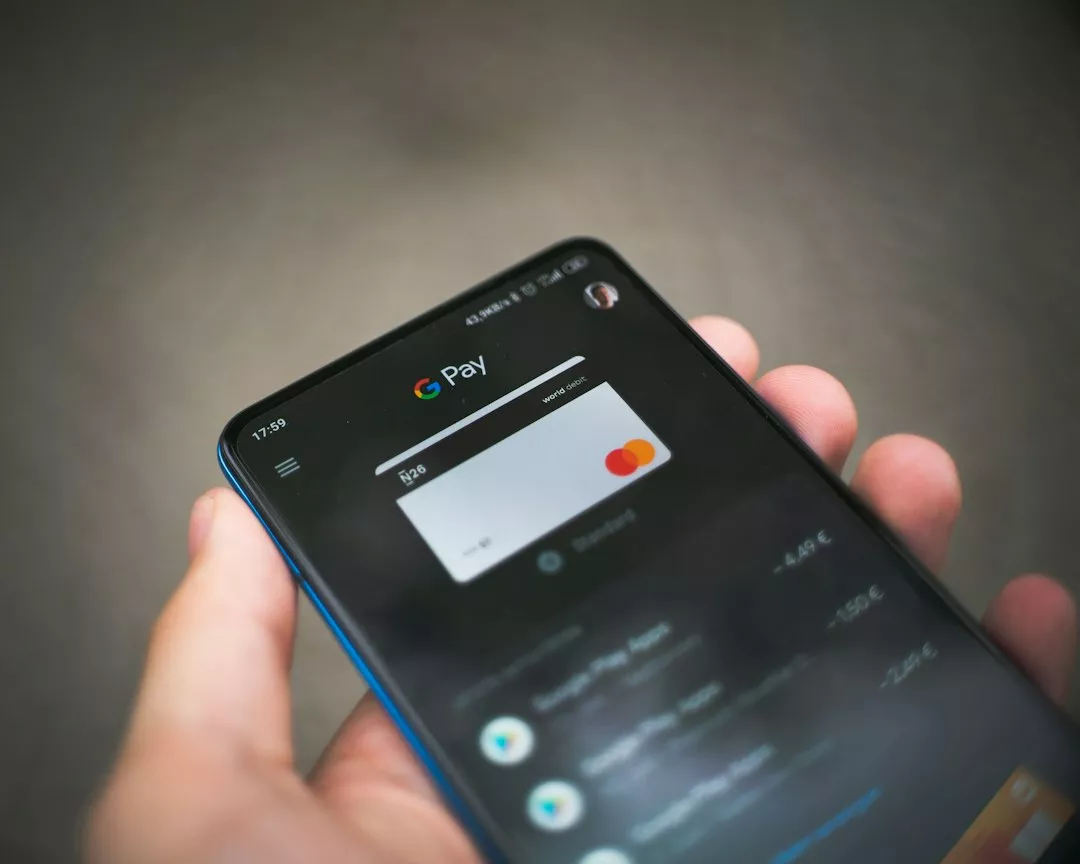
Opening a current account (běžný účet) is usually the first financial step for anyone living or working in Czechia. Salaries, rent, utility bills and everyday card payments all flow through it. The Czech banking market is competitive and highly digital, which is good news for customers, but it also means there are many packages, fee structures and conditions to understand before choosing one. This guide explains how current accounts work in Czechia, what to compare, and how to avoid common pitfalls.

The Czech Banking Landscape
The Czech market combines large traditional banks with fast-growing digital players. Among the best-known names are Česká spořitelna, Komerční banka, ČSOB, Raiffeisenbank, Moneta Money Bank, UniCredit Bank, Fio banka, Air Bank, mBank and Creditas. The central bank, the Czech National Bank (ČNB), supervises the sector and publishes consumer information about banking services.
Broadly, you can think of three groups:
- Universal banks with branch networks, which suit people who like face-to-face service, need to handle cash regularly, or want access to mortgages and advisory services under one roof.
- Digital-first banks, which focus on mobile apps, online onboarding and simpler pricing, often with fewer branches.
- Specialist or investment-oriented banks, which combine accounts with brokerage or savings features.
None of these categories is automatically better. The right choice depends on how you actually use money day to day.
How a Czech Current Account Works
A standard current account in Czechia comes with an account number in the local format (account number, slash, bank code), an IBAN for international transfers, a debit card and access to internet and mobile banking. Czech koruna (CZK) is the main account currency, though many banks also offer foreign-currency accounts for those who receive income or pay bills abroad.
Account Numbers and Payment Methods
Domestic payments use the traditional account number plus bank code, while the IBAN is used for cross-border euro payments within the SEPA area. When paying a bill, you will often see a variabilní symbol (variable symbol), a reference number that identifies the payment. Getting it right matters, because utilities, landlords and public institutions use it to match your payment to your account.
Instant Payments and QR Codes
Czech banks widely support instant payments, so transfers between participating banks can arrive within seconds at any time of day. QR payments are also common: you scan a code on an invoice or bill with your banking app and the payment details fill in automatically. This reduces the risk of typing errors, though you should always check the amount and recipient before confirming.
Understanding Fees and Conditions
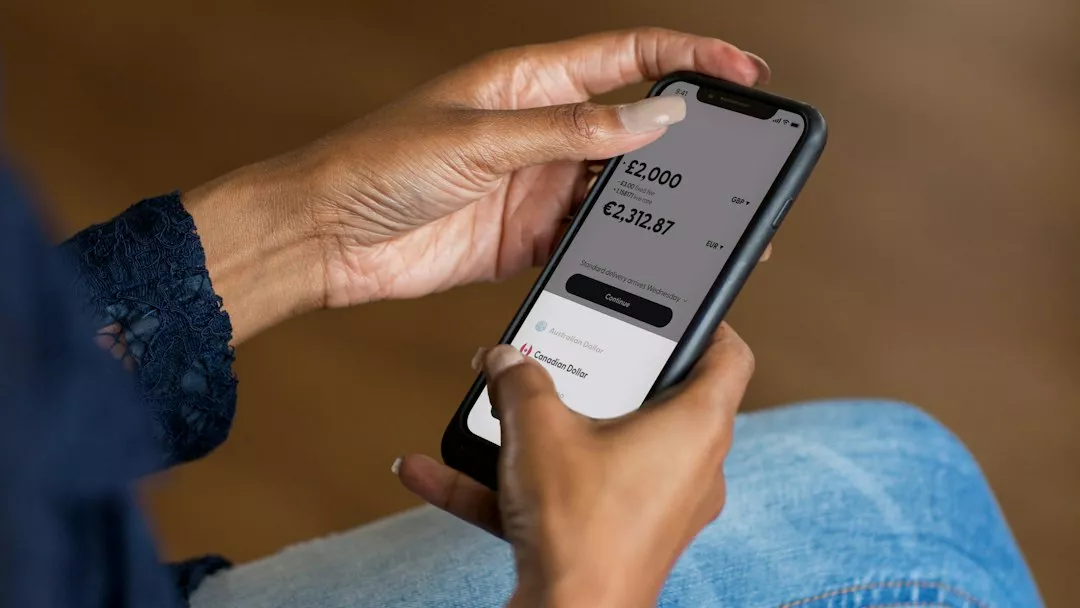
Fees are where accounts differ most. Czech banks may charge for account maintenance, card issuance, cash withdrawals at other banks' ATMs, paper statements, branch-assisted transactions, foreign-currency card payments and international transfers. Some banks waive the monthly fee if you meet certain conditions, such as receiving a regular income into the account, making a minimum number of card payments or holding a particular product.
Because fees, conditions and promotional offers change frequently, always check the current tariff directly on the bank's website or in its official price list (sazebník poplatků) before opening an account. Do not rely on outdated blog posts or comparison pages without confirming the figures with the provider.
Questions to Ask Before You Choose
- Is there a monthly maintenance fee, and what conditions let me avoid it?
- How many free ATM withdrawals do I get, and what happens at another bank's machine?
- What are the costs of card payments and withdrawals in foreign currencies?
- Are instant payments included in the package?
- Does the bank offer free or low-cost ways to send money abroad?
- How easy is it to contact support if my card is blocked or lost?
Overdrafts and Credit Features
Many Czech current accounts offer an overdraft (kontokorent) as an optional extra. An overdraft lets you spend more than your balance up to an agreed limit, but it is a form of borrowing and is charged interest. Banks assess your income and existing obligations before offering one, and approval is always at the bank's discretion. Treat an overdraft as short-term flexibility, not as extra income. If you find yourself relying on it every month, it may be a sign your budget needs adjusting. Our guide to building a household budget offers practical ideas that apply in any country.
Opening an Account: Practical Steps
Most banks allow you to open an account either in a branch or online. You will typically need a valid identity document, and the bank is required to verify your identity under anti-money-laundering rules. Foreign residents may be asked for a residence permit or other proof of their right to stay, plus details about their employment or source of income. Requirements can differ between banks, so confirm the list of documents before you visit or start the online process.
Digital onboarding often uses a video identification or a verification through another bank's identity service. Czechia also has a national digital identity system (Bank iD and similar services) that lets you sign into government portals and other services using your bank credentials, which is a practical reason many residents keep their primary account active.
Switching Banks
Czech law and industry practice make it possible to move to another bank. Banks provide a switching service that helps transfer standing orders and direct debits, though you should still review your recurring payments and tell your employer and any regular payers your new account details. Keep the old account open until you are confident all payments have moved across.
Security and Deposit Protection
Banking fraud, including phishing messages and fake calls pretending to come from your bank, is a recurring risk. Basic habits help: never share your PIN, card details or one-time codes, install the official banking app only from trusted app stores, and enable strong authentication. Your bank will not ask you to move money to a "safe account". If something seems wrong, contact the bank through its official number and block your card immediately if needed.
Deposits at banks authorised in Czechia are covered by a deposit insurance scheme operated by the Financial Market Guarantee System (Garanční systém finančního trhu). The scheme has a coverage limit per depositor per bank, and the exact limit can change, so check the current value with the official provider before relying on it. If you hold large balances, spreading them across institutions is something many people consider, but it also adds administrative effort, so weigh the trade-offs.
Choosing the Right Account for Your Situation
For Employees and Everyday Spending
If your salary arrives monthly and you mostly pay by card and app, a low-cost digital account with strong mobile features may be enough. Look for easy card controls, instant notifications and simple bill payments.
For Expats and Frequent Travellers
Pay attention to foreign-currency card costs, international transfer pricing and English-language support in the app and customer service. A secondary account in euros or another currency may also be worth considering if you are paid abroad.
For Families and Savers
Joint accounts, savings pockets and linked savings products can simplify household finances. Compare how each bank treats interest on balances, since savings rates are variable and set by the bank. If you are building a safety net, our article on building an emergency fund explains the principles of choosing where to keep reserve money, which apply broadly.
Common Mistakes to Avoid
- Ignoring conditions attached to free accounts. A waived fee often depends on activity requirements you might not meet.
- Using the wrong payment reference. A missing or incorrect variable symbol can delay or misdirect a payment.
- Leaving unused accounts open without checking fees. Dormant accounts may still carry charges.
- Treating overdrafts as normal spending money. They are borrowing and carry costs and risks.
- Skipping the price list. Marketing pages highlight benefits; the official tariff shows the full picture.
Final Thoughts
A current account in Czechia is a flexible everyday tool, but the details matter. Compare at least a few banks, read the official price list, check how the account handles your typical transactions, and confirm current fees, interest rates and deposit protection limits directly with the provider. Remember that account approval and any credit features are the bank's decision, and every product carries conditions. If you are exploring how everyday banking connects to borrowing, you may also find our overview of how banks assess creditworthiness useful for understanding the factors lenders commonly weigh.
Jack Holloway