How to Build a Personal Budget in Sweden: Fixed Costs, Autogiro and the Monthly Rhythm of Swedish Life
Learn how to build a practical monthly budget in Sweden: understand payday timing, autogiro, fixed costs, Swish spending and how to plan for irregular bills.
Budgeting in Sweden has its own rhythm. Most people are paid once a month, many bills are collected automatically through a bank system called autogiro, and everyday spending flows through card payments and the mobile app Swish. Understanding how these pieces fit together makes it much easier to build a budget that actually works. This guide walks through the Swedish context step by step, using the Swedish krona (SEK) as the reference currency and avoiding any specific figures, since prices, rates and rules change over time.
Why Swedish Budgeting Starts With the Monthly Pay Cycle
In Sweden, salaries are typically paid monthly rather than weekly or fortnightly, often towards the end of the month. That single fact shapes almost everything about how households plan their money. When your income arrives once, you need to decide in advance how it will cover every day until the next payday.
A useful starting point is to map out your month from payday to payday rather than from the first of the month to the last. Many Swedish bills are due around the end or the beginning of the month, so aligning your budget with your actual pay date prevents the common problem of paying rent and then running thin in the final week.
Net income is your real starting number
Swedish employers withhold preliminary income tax before paying your salary, so the amount that reaches your account is already after tax. Build your budget from that net amount, not from your gross salary. If you are self-employed or have several income sources, you may handle tax differently, so check how your situation works with Skatteverket, the Swedish Tax Agency, rather than assuming the same rules apply to everyone.
Listing Your Fixed Costs
Fixed costs are the expenses that arrive regularly and are difficult to reduce in the short term. Writing them down first gives you the foundation of the whole budget. Typical categories for Swedish households include:
- Housing: rent (hyra) if you rent, or the monthly fee (avgift) to the housing association if you own a bostadsrätt, plus any mortgage payments.
- Electricity and heating: sometimes included in the rent, sometimes billed separately depending on the contract.
- Home insurance: hemförsäkring is widely held and often a requirement of landlords or lenders in practice.
- Internet, phone and TV licence-style subscriptions.
- Public transport passes or car costs: including fuel, insurance, parking and vehicle tax if you own a car.
- Union and unemployment insurance fees: many employees pay for membership of a fackförbund and an a-kassa.
- Loan repayments and childcare costs where relevant.
Check the current amounts directly with each provider, as these change from time to time. In your budget, simply record what you pay now and update it when a provider announces a change.
Understanding Autogiro and Why It Helps
Autogiro is the Swedish direct debit system. You give a company permission, usually through your online bank, to withdraw a bill automatically on its due date. It is very common for rent, insurance, subscriptions and utilities.
The advantages for budgeters
Autogiro removes the risk of forgetting a payment and generally reduces late-payment problems. It also makes your fixed costs predictable, because you know roughly when each withdrawal will happen. Many people therefore keep a dedicated bills account that receives a transfer on payday and from which autogiro payments are taken.
The things to watch
The downside is that automatic withdrawals can quietly drain an account if you have not planned for them. If the balance is too low on the due date, the payment may fail, and the company or your bank may charge a fee or send a reminder. Make sure the money for each bill is in the right account before the date. You can usually view, change or cancel autogiro permissions through your online bank or by contacting the company, so review them periodically and remove subscriptions you no longer use.
Alongside autogiro, you will encounter e-invoices (e-faktura), which appear in your online bank for approval, and traditional invoices paid by bankgiro or plusgiro number. Whichever method you use, keep a simple calendar of due dates.
Variable Spending: Food, Leisure and Everyday Costs
After fixed costs, the next layer is variable spending: groceries, eating out, clothing, leisure, gifts and small purchases. This is where most budgets succeed or fail, because the amounts shift from month to month.
A practical approach is to set a monthly allowance for each major variable category and then track how closely you stay to it for two or three months. Do not set targets based on guesswork alone. Look at your bank statement and card history first, then adjust. Most Swedish banks and budgeting apps categorise your transactions automatically, which saves a lot of manual work.
Swish and card spending
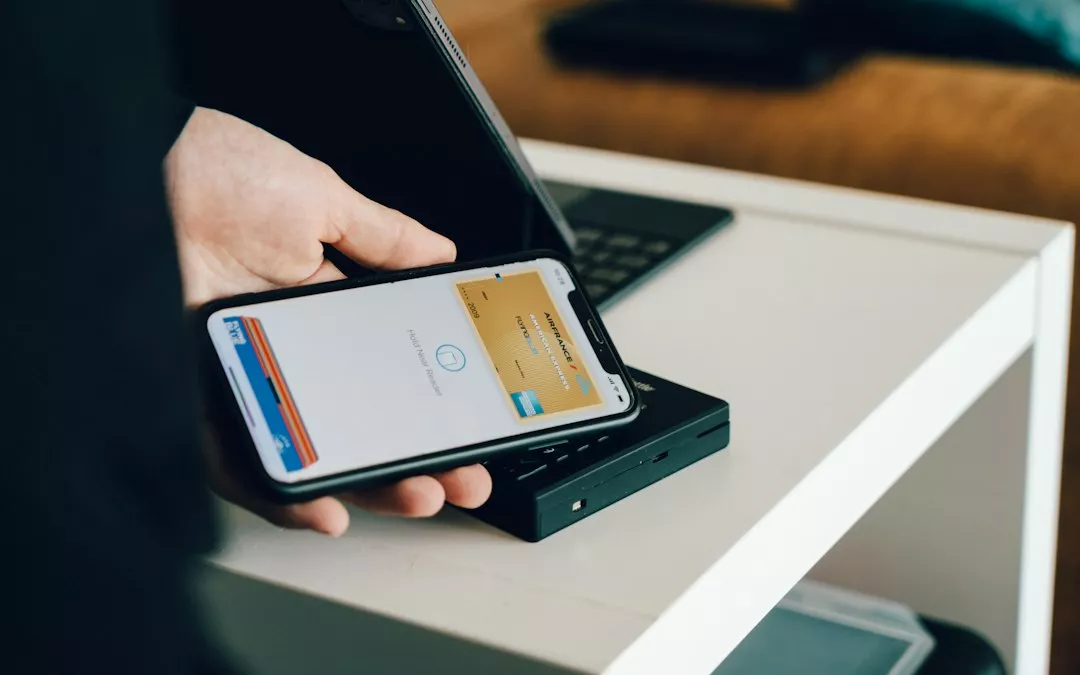
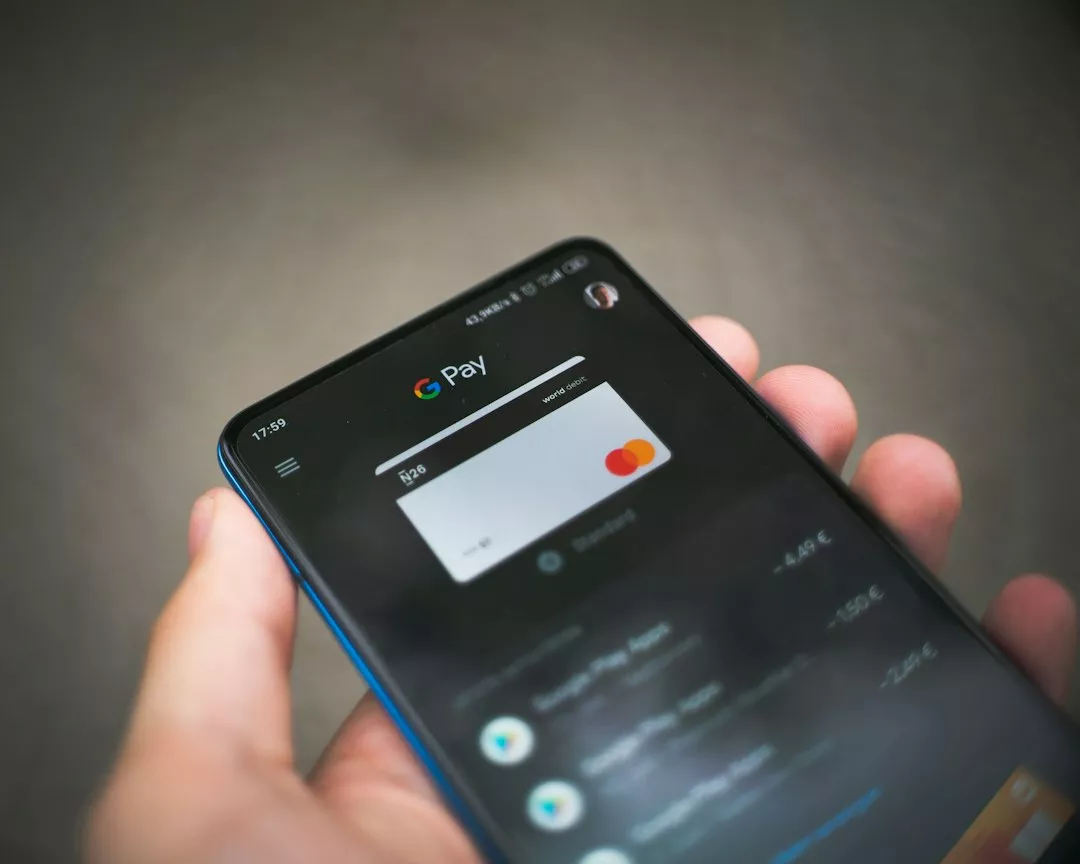
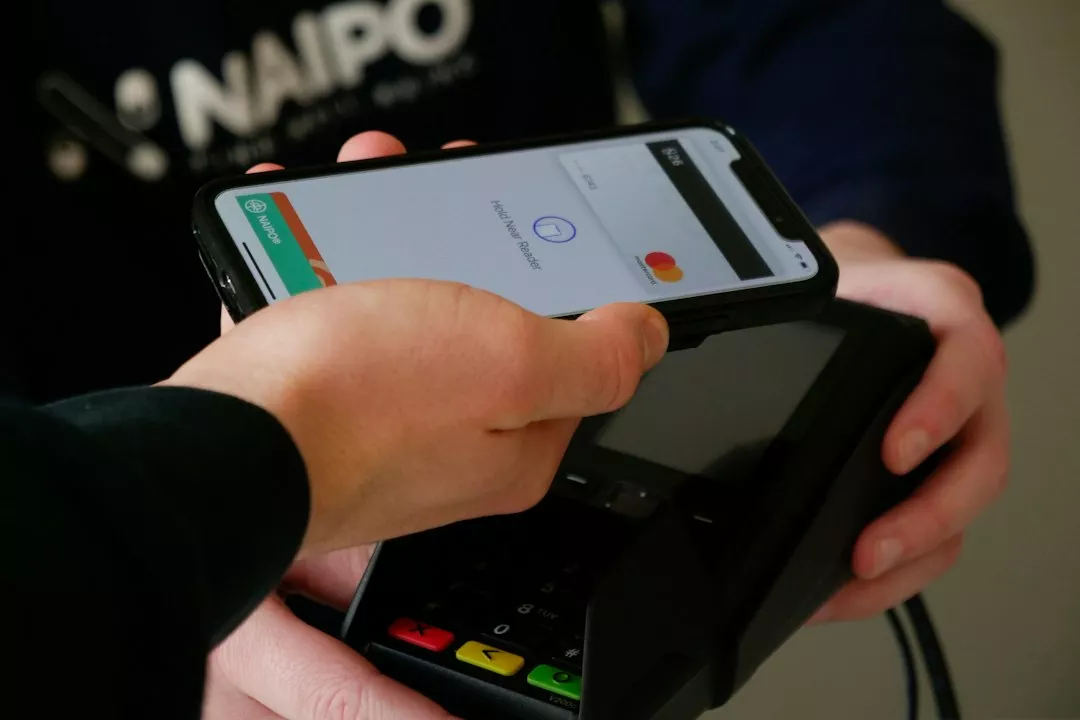
Payments in Sweden are heavily digital. Cards and mobile payments are accepted almost everywhere, and Swish makes it effortless to send money to friends, pay for second-hand purchases or split a bill. The convenience is real, but it can also make small payments invisible. Because Swish transfers come straight out of your account, review them in the same way you would review card transactions, and consider whether regular transfers to friends or clubs should have their own line in the budget.
Planning for Irregular and Seasonal Costs
Some of the biggest budget shocks come from expenses that do not occur monthly. In Sweden, think about:
- Annual or quarterly insurance premiums where you pay in larger instalments.
- Car servicing, tyre changes and inspection. Seasonal winter tyres are a familiar cost for drivers.
- Heating and electricity in winter, when usage typically rises.
- Holidays and gifts, especially around Christmas and the summer break.
- Tax adjustments, if your final tax settlement leads to a payment or a refund.
A sinking fund is a simple way to handle these. Estimate the yearly total of your irregular costs, divide it by twelve and move that portion into a separate savings account each month. When the bill arrives, the money is already waiting. This turns unpredictable shocks into a steady, planned expense.
Building a Buffer and Saving Regularly
Once your costs are mapped, add saving as a line in the budget, not as whatever happens to be left over. A common method is to treat saving like a fixed cost: set up a standing transfer on payday so that the money moves before you can spend it.
It is sensible to keep a cash buffer for unexpected events such as a broken appliance, a medical cost or a gap in income. How large that buffer should be depends on your household, job security and obligations, so it is a personal decision rather than a universal rule. Keep it somewhere easy to reach, such as a savings account (sparkonto) at a bank. Compare the current interest rates, conditions and any withdrawal terms offered by different providers, and check whether the account is covered by the Swedish deposit guarantee run by the Swedish National Debt Office (Riksgälden).
If you are interested in long-term saving beyond a buffer, our guide to investing in Sweden with an ISK and index funds explains how the investment savings account works and what risks to understand first. Investing always carries risk, and values can fall as well as rise, so it generally belongs after your everyday budget and buffer are in order.
Handling Credit and Debt Within Your Budget
Borrowing should appear in your budget as a clear fixed cost, with the repayment, the interest and any fees visible. Swedish consumer credit is regulated, and lenders must assess your ability to repay, but approval and terms are always the lender's decision and vary by provider. Before taking on credit, compare the effective interest rate, read the full terms and consider whether repayments would still be comfortable if your income dropped or rates changed.
If you use a credit card, learn how statements, credit limits and your credit record interact. Our article on how credit cards work in Sweden covers charge cards, limits and the UC score in more detail. If you ever feel debts are becoming difficult to manage, contact your creditors early and consider the free municipal budget and debt counselling (budget- och skuldrådgivning) available through your kommun.
A Simple Step-by-Step Budget Routine
- Write down your net monthly income and your exact payday.
- List every fixed cost with its due date and payment method, marking which ones run on autogiro.
- Estimate variable spending using your last few months of statements.
- Add a monthly amount for irregular costs and for saving.
- Compare totals. If expenses exceed income, trim variable categories or review subscriptions and contracts.
- Automate the transfers: bills account, savings account and spending account.
- Review monthly, adjusting as prices, contracts or your circumstances change.
Learning From Budgeting in a Neighbouring Mindset
Many of the habits that work well in Sweden are transferable in spirit: automate what is predictable, make hidden costs visible and review regularly. If you want to compare how another Nordic household approaches fixed costs and automatic payments, see our guide to budgeting in Denmark with fixed costs and Betalingsservice, though always apply the rules and products of the country where you actually live.
Final Thoughts
A good Swedish budget respects the monthly pay cycle, makes full use of tools like autogiro and Swish without letting them hide your spending, and prepares in advance for irregular costs. Start with your real numbers, automate the essentials and review the plan often. Because rates, fees, tax rules and product terms change, always confirm current details with your bank, your insurer, Skatteverket and other official sources before making financial decisions. This article is general information, not personal financial advice.
Jack Holloway