How Credit Cards Work in Denmark: Kreditkort, Dankort and What to Check Before You Apply
Learn how credit cards work in Denmark: Dankort vs kreditkort, interest and fees, MitID applications, RKI registration and what to check before applying.
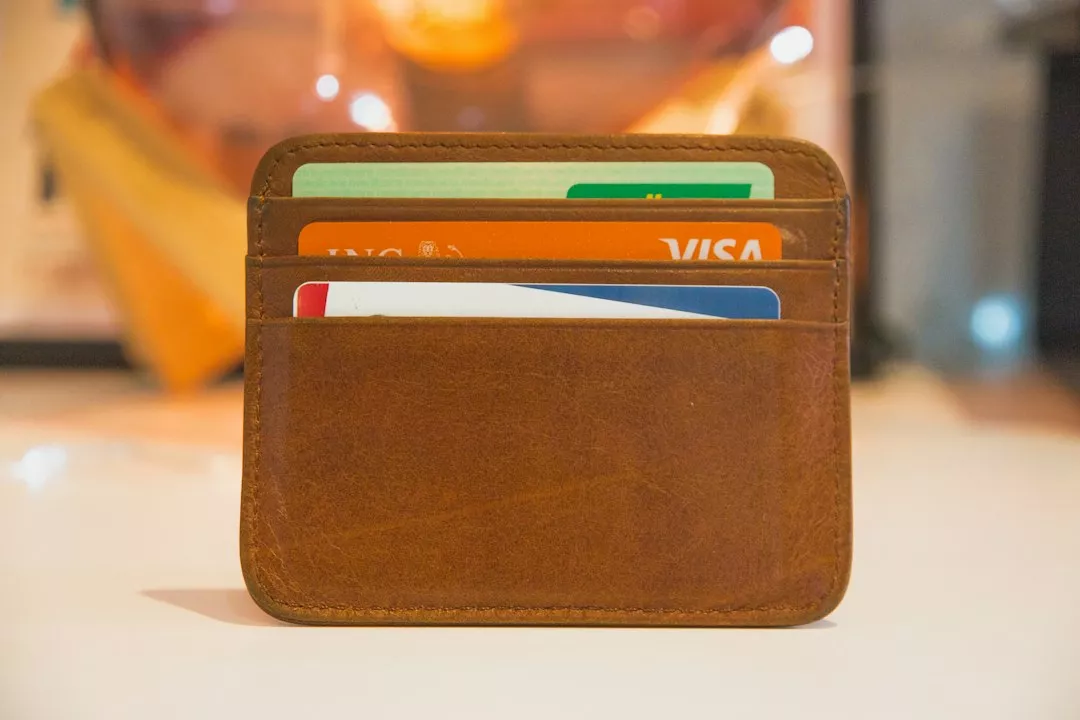
Denmark is one of the most cashless societies in the world, and for decades the national debit card, the Dankort, has handled most everyday purchases. That makes the role of a credit card in Danish personal finance a little different from what you may find elsewhere. Many Danes carry a credit card mainly for online shopping abroad, travel, car rentals and hotel deposits, rather than as a daily spending tool. This guide explains how credit cards work in Denmark, how they differ from the Dankort, what costs to look for and what to check before you apply.
Dankort, Debit Cards and Credit Cards: Know the Difference
The first thing to understand is that a kreditkort and a betalingskort are not the same thing. A Dankort or a Visa/Dankort is linked directly to your bank account (indlånskonto). When you pay, the money leaves your account almost immediately. You are spending your own funds, so there is no borrowing involved.
A true credit card works differently. The issuer lets you spend up to an agreed limit, and you settle the balance later, usually once a month. Depending on the product, you may be able to pay the full amount to avoid interest or spread repayments over time. The key distinction is that with a credit card you are using the provider's money in the meantime, which is why it is regulated as consumer credit.
It is also worth knowing that many international Visa and Mastercard products sold in Denmark are actually debit cards, even though they carry the same logos. Always read the product terms to confirm whether a card draws on your balance or on a credit line.
Who Issues Credit Cards in Denmark?
Credit cards in Denmark are generally offered by three types of provider:
- Traditional banks such as Danske Bank, Nordea, Jyske Bank and Sydbank, which may offer cards to existing customers as part of a broader banking relationship.
- Specialist card and consumer finance companies that operate across the Nordic region and focus on cards and flexible credit.
- Retail and travel-linked cards issued in partnership with airlines, loyalty programmes or large retailers, often with points or travel benefits attached.
Each type has its own eligibility criteria, features and cost structure. Because offers change frequently, always check the issuer's official website for the current terms rather than relying on a comparison written months ago.
How the Application Process Works
Applying for a credit card in Denmark is usually done online using MitID, the national digital identity. You will typically need a Danish CPR number, a Danish address and a NemKonto, the account designated to receive public payments. The issuer will ask about your income, employment situation, housing costs and existing debts.
Before granting credit, the lender is required to assess your ability to repay. In practice, this means they review the information you provide and often consult external sources. Approval is always the issuer's decision, and being turned down by one provider does not necessarily mean another will reach the same conclusion, since each applies its own criteria.
Credit Checks and RKI
Danish lenders commonly check whether you are registered with RKI (Ribers Kredit Information), a credit information agency, or with Debitor Registret. Being listed as a bad payer in these registers can make it much harder to obtain credit. You have the right to request information about what is recorded about you, and it is sensible to check your own file before applying so that you can correct any errors.
Also keep in mind that each formal application can leave a trace. Submitting many applications in a short period may be viewed less favourably by lenders, so it is better to compare products carefully first and apply selectively.
Understanding the Costs of a Credit Card
The true cost of a credit card is more than the headline interest rate. When comparing products, look at each of these elements and confirm the current values with the provider:
- Annual fee (årligt gebyr): Some cards charge a yearly fee, others do not, and some waive it under certain conditions.
- Interest rate (rente): Applied to any balance you do not repay by the due date. The rate can be high compared with other forms of borrowing.
- ÅOP: The annual percentage rate of charge, which Danish law requires lenders to disclose. It combines interest and other credit costs into one comparable figure, so it is the best single number for comparing offers.
- Foreign transaction fees: Often charged when you pay in another currency or withdraw cash abroad.
- Cash withdrawal fees: Taking cash out on a credit card is typically more expensive than a normal purchase and may start accruing interest immediately.
- Late payment and reminder fees: Charged if you miss the due date.
Never assume a rate or fee stays the same. Terms can change, and promotional conditions usually come with specific requirements and expiry rules.
Paying in Full vs Carrying a Balance
The single most important habit with a credit card is understanding what happens when you do not clear the balance. If you pay the full statement amount by the due date, many cards charge no interest on purchases. If you pay only part of it, interest is applied to the remainder, and costs can build up quickly.
Credit cards are not designed for long-term borrowing. If you find yourself regularly unable to repay the full amount, that is a signal to review your budget rather than rely on the card. Our guide on how to budget in Denmark explains how to separate fixed costs from variable spending, which can help you decide how much you can safely charge to a card each month.
Practical Uses and Common Pitfalls
Where a Credit Card Genuinely Helps
- Travel and bookings: Hotels and car rental companies often require a credit card for deposits.
- Online purchases: A credit card can offer an extra layer between your bank account and a merchant, and some cards include purchase protection or insurance. Check the exact scope and conditions with the issuer.
- Short-term flexibility: Used carefully, the gap between purchase and statement date can help with cash flow.
Common Mistakes to Avoid
- Treating the credit limit as extra income.
- Withdrawing cash without checking the fees.
- Missing the due date and triggering late charges.
- Holding several cards and losing track of balances.
- Ignoring the terms for insurance benefits and assuming everything is covered.
How Credit Cards Fit With Your Wider Finances
A credit card works best as a tool within a stable financial setup. Before applying, make sure your basic foundation is in place: a reliable everyday account, a savings buffer and a clear picture of your monthly commitments. If you plan to build wealth over time rather than rely on credit, you may also want to read about investing in Denmark and how the Aktiesparekonto works. Credit and investing serve very different purposes, and it rarely makes sense to borrow to invest.
If you are comparing credit cards with other forms of borrowing, remember that a card is revolving credit with flexible repayments, while a personal loan has a fixed structure. Each carries its own costs and risks. Our overview of how personal loans are assessed in the Nordic context shows the kind of questions lenders ask, though you should always rely on Danish rules and your own provider's terms when making decisions in Denmark.
Your Rights as a Danish Consumer
Danish consumer credit law gives borrowers a number of protections. Lenders must give you clear pre-contractual information, including the ÅOP, before you commit. In many cases you have a statutory right to withdraw from a credit agreement within a set period after signing; confirm the exact conditions with the issuer or the Danish Consumer Ombudsman (Forbrugerombudsmanden). If you have a dispute with a provider that cannot be resolved directly, you can contact the Pengeinstitutankenævnet for banks or the relevant consumer complaints board, depending on the type of company. Your bank's own website and the Danish Competition and Consumer Authority (Konkurrence- og Forbrugerstyrelsen) publish guidance on what to expect.
Financial regulation in Denmark is overseen by Finanstilsynet, the Danish Financial Supervisory Authority. You can verify whether a provider is authorised through its public registers before sharing personal information or signing an agreement.
A Practical Checklist Before You Apply
- Confirm whether the product is a real credit card or a debit card.
- Compare the ÅOP, annual fee, and foreign transaction costs using current figures from official sources.
- Check your own RKI and Debitor Registret entries.
- Read the conditions for interest-free periods, cash withdrawals and insurance benefits.
- Decide in advance how you will repay: ideally in full each month.
- Avoid applying to multiple providers at once.
- Verify that the provider is authorised by Finanstilsynet.
Final Thoughts
In a country built around the Dankort and mobile payments, a credit card is a supplement rather than a necessity. It can be useful for travel, online shopping and short-term flexibility, but it carries real costs and risks if balances are not repaid on time. Compare products on the basis of their total cost, read the terms carefully, and remember that approval and conditions are always decided by the issuer. This article is general information, not personalised financial advice, so check current details with the provider and consider independent guidance if you are unsure.
Jack Holloway