
Key takeaways
- Match tomato's acidity (3.5-4.0 pH) with wines like Sangiovese or Barbera to avoid flat or astringent taste.
- Chianti Classico at $12-20 delivers reliable food compatibility with tomato sauce without heavy tannins that clash.
- Lighter reds like Pinot Noir and dry Italian rosé outperform full-bodied Cabernet Sauvignon on tomato-based pasta.
- Sauce composition matters: cream or meat additions allow tannic wines, while pure tomato requires maximum acidity.
Understanding Acidity in Tomato Pairings
Tomato sauce brings high acidity to pasta dishes, typically around 3.5 to 4.0 on the pH scale. Wine with matching or slightly higher acidity prevents the sauce from making the wine taste flat or overly tannic. This principle rules out heavy Cabernet Sauvignons and high-tannin Barolos, which will clash with tomato’s sharpness and leave a bitter aftertaste on the palate.
Sangiovese-Based Wines From Tuscany
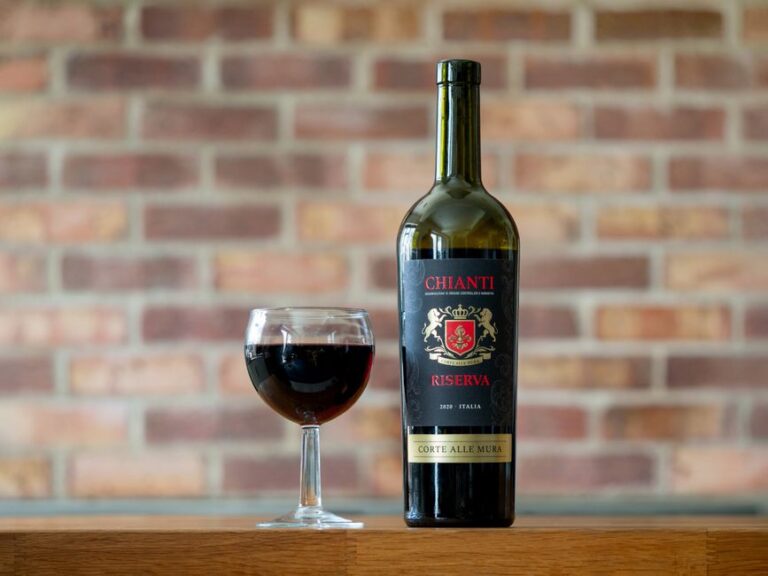
Chianti and Chianti Classico wines are the standard pairings for tomato-based pasta, and this convention exists because Sangiovese grapevines from Tuscany produce medium-bodied wines with acidity levels between 3.5 and 4.1, matching the sauce exactly. Sangiovese carries cherry and leather flavors, with herbal undertones that complement the umami in tomato without competing.
Chianti and Chianti Classico
Wines labeled Chianti Classico must come from the original appellation between Florence and Siena and contain at least 80 percent Sangiovese. Producers like Carpineto, Badia a Coltibuono, and Ruffino offer versions in the $12 to $20 range that deliver reliable pairing quality. The tannins in these wines are firm but not harsh, and they won’t overshadow a simple pasta al pomodoro or a lasagna bolognese.
Brunello di Montalcino
Brunello di Montalcino, also Sangiovese-based, demands longer aging and higher pricing ($20 to $60) but brings deeper structure. The extra tannin becomes a problem at the table, amplifying the tomato’s acidity and creating a drying sensation. Reserve Brunello for meat-based pasta sauces where protein softens the interaction, not for pure tomato dishes.
Southern Italian Reds
Barbera, grown widely across southern Italy and Piedmont, offers higher natural acidity than Sangiovese, making it an even safer choice for tomato dishes. Barbera d’Alba and Barbera d’Asti reach acidity levels around 4.0 to 4.3, approaching the sharpness of the sauce itself. The wine typically displays plum and blackberry on the palate, with some producing spice notes. Bottles cost $10 to $18 domestically.
Montepulciano d’Abruzzo, named for a grape and region in central Italy, provides a medium-bodied alternative with higher acidity and lower tannins than Chianti. Producers like Illuminati and Umani Ronchi make versions under $15 that work well with hearty meat sauces and rustically textured dishes.
Primitivo from Puglia in southern Italy offers fuller body but retains the acidity needed to cut through tomato. However, Primitivo climbs toward 15 to 16 percent alcohol by volume, which can overwhelm lighter sauce preparations. Save Primitivo for pasta with additional proteins like sausage or bacon.
Light Reds and Rosé Options
Pinot Noir, whether from California, Oregon, or imported from Burgundy, brings moderate acidity and minimal tannin structure. Domestic Pinot Noir from regions like Willamette Valley (Oregon) or Sta. Rita Hills (California) costs $14 to $25 and delivers red cherry and strawberry character without heaviness. Pinot Noir works especially well with lighter tomato preparations and pasta with seafood additions.
Rosé wines, particularly those made from Sangiovese or Aglianico in southern Italy, represent an underrated tomato pairing. True dry Italian rosé carries acidity comparable to Chianti but with lighter body and higher minerality. Producers like Cantine Cellaro offer bottles around $12 to $16. Rosé shines when tomato sauce includes fresh herbs like basil, as the wine’s delicate fruit notes enhance rather than mask herbal flavors.
Building a Pairing Strategy by Sauce Style
The specific pasta preparation changes which wine works best. A basic marinara or aglio e olio calls for straightforward Chianti or Barbera with clarity. Pasta carbonara, though traditionally wine-free in Italy, pairs acceptably with crisp white wine like Verdicchio or Frascati, which won’t fight with guanciale’s fat and eggs’ richness.
Pasta all’arrabbiata, made with tomato, garlic, and chili pepper, pairs well with higher-acidity wines like Barbera because the wine’s own structure mirrors the dish’s intensity. Pasta alla vodka adds cream, softening the tomato’s edge, which allows slightly tannic wines like Chianti Classico Riserva to work without harshness. For lasagna bolognese or other meat sauces, the proteins present allow wines with more structure, such as Barbaresco or light Barolo, though these reach toward $25 to $50 per bottle.
Recommended Producers Across Price Ranges
Under $12 Per Bottle
Ruffino and Baia Nicchia offer everyday Chianti options that deliver reliable acidity and drinkability. Barbera from producers like Renato Ratti provides value at this price point.
The $12 to $20 Range
Badia a Coltibuono, Carpineto, and Nipozzano (Frescobaldi’s secondary label) offer Chianti Classico expressions with more complexity. Barbera d’Alba from producers like Cascina Drago enters this bracket with excellent structure and food compatibility.
Above $20 Per Bottle
Reserve wines and single-vineyard expressions from Brunello producers like Banfi or Biondi-Santi bring depth, though remember that higher tannin content makes them less ideal for pure tomato-based dishes. Italian Pinot Noir from Alto Adige offers an alternative at this price, bringing international recognition while maintaining regional character.
What Not to Pair With Tomato Sauce
Cabernet Sauvignon, whether from California, Australia, or Bordeaux, brings heavy tannin that compounds tomato’s acidity into an astringent, unpleasant mouthfeel. Syrah and Grenache offer high alcohol that can taste flabby against acidic tomato. Wines aged in new oak, common in some New World Cabernets and Merlots, add tannin and bitterness that tomato amplifies.
Similarly, complex, tertiary-aged wines like mature Barolo or aged Barbaresco deserve better treatment than a casual pasta dinner. Their subtle structural balance gets overwhelmed by tomato sauce, making the wine seem flat and the dish seem harsh.
Frequently Asked Questions
Why does tomato sauce clash with heavy red wines?
Tomato's natural acidity (around 3.5-4.0 pH) combines poorly with the tannins in full-bodied wines like Cabernet Sauvignon or aged Barolo, creating an astringent, unpleasant taste.
What's the best budget-friendly wine for tomato pasta?
Chianti or Barbera under $15 deliver the acidity and cherry notes needed to pair with tomato, with bottles from Ruffino and Cascina Drago offering consistent quality.
Can white wine pair with tomato-based pasta?
Yes, crisp whites like Verdicchio and Frascati work well, especially with lighter sauce preparations or dishes that include seafood or cream additions.
